
Reviewed · MUSEUMS
Milan: Natural History Museum Entry Ticket & Audio Guide
This experience is interesting because you get into Milan’s Natural History Museum using an e-ticket, then you walk through the building with a smartphone audio guide that’s built around a real museum storyline, not just random facts.
I especially like how the audio tour is tied to the museum’s main disciplines, from paleontology to minerals to living things. I also like that you’re not stuck with one language, you can listen in English, Italian, and French, with German added starting 15th April.
One drawback to plan around: you must bring your own headphones and a charged phone, and the whole thing depends on your app download working smoothly before you arrive.
Quick Highlights Before You Go
- Skip-the-line entry using an e-ticket shown on your phone
- 40+ audio points plus a digital map so you do not feel lost
- Multilingual audio in English, Italian, French, and German from 15th April
- Museum themes in order: paleontology, mineralogy, zoology, botany, plus conservation
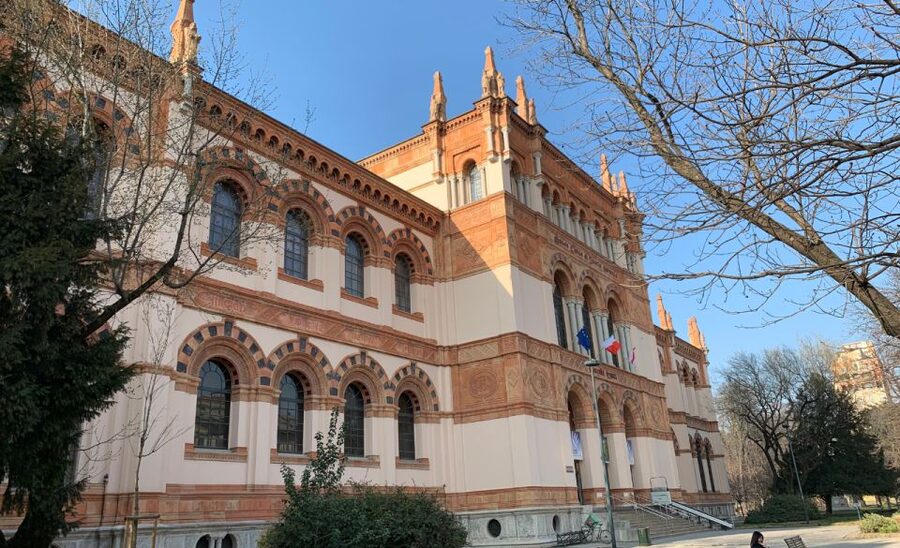
- Historic building with garden views right where you end up, in Indro Montanelli Gardens
Natural History Museum in Indro Montanelli Gardens: What Makes It Worth Your Time
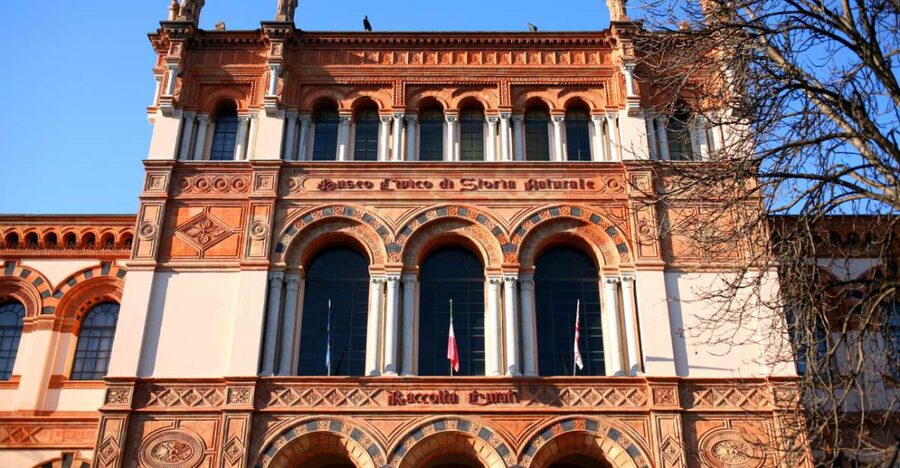
The Natural History Museum sits in Indro Montanelli Gardens, which matters more than it sounds. You can start your visit with a calm walk through the gardens area, then step into a museum that pairs scientific exhibits with old-school, elegant architecture.
What you are really buying here is a guided feeling without a guided group. Instead of waiting for someone to lead you, you control your pace while the audio handles the context: how specimens connect to evolution, how minerals and fossils formed over long periods, and how conservation fits into modern science.
The price is also refreshingly straightforward at $12 per person for entry plus audio. For a museum visit in Milan, that puts you in the zone where a short, focused visit makes sense, not a half-day commitment.
More museums and galleries in Milan:
- Milan: Leonardo3 The World of Leonardo Museum Entry Ticket
★ 4.4 · 3,241 reviews - Milan: La Scala Theater & Museum Guided Experience
★ 4.1 · 2,931 reviews - Milan: La Scala Theater and Museum Tour with Entry Tickets
★ 4.7 · 1,722 reviews
Tickets, E-Ticket, and the Real Logistics That Affect Your Day
You head straight to the museum at Indro Montanelli Gardens, Corso Venezia, 55. That’s good news because it simplifies your schedule. No meeting-room suspense, no hunt for a specific check-in booth.
Your e-ticket is sent via WhatsApp within 24 hours of your travel date. Plan to have your phone handy and your WhatsApp notifications on. You show the e-ticket to staff on your mobile device to get in.
Two practical tips that can save you time:
- Download the audio guide by scanning the QR code on your voucher before you arrive.
- Keep your phone charged. The audio depends on it, and the ticket is on it too.
Also, audio without headphones is a deal-breaker. Headphones are not included, so bring wired or Bluetooth. If you hate charging on the fly, charge fully before you leave your hotel.
Skip-the-Line Entry, but Still Plan for Arrival Time
This ticket includes skip the ticket line, which usually means less standing around. Still, do yourself a favor and arrive with a little buffer. Museums can be busy at entry, and you want a calm moment to scan QR codes and get the app working.
The duration is listed as 2 hours. That is a useful target, especially if you want to fit this into a day that already includes Milan’s bigger highlights.
And if plans change, there is free cancellation up to 24 hours in advance for a full refund. It is the kind of flexibility that makes it easier to commit without stress.
How the Self-Guided Audio Tour Works (40+ Audio Points and a Digital Map)

The audio guide is delivered through an app on your smartphone. It includes a digital map, which is a big deal in older museums where corridors can feel like loops.
You are given over 40 audio points of interest, so the experience is structured. You are not listening to one long track and hoping it lines up with where you are standing. Instead, you can move room to room and trigger audio points as you go.
Languages are covered well for a multi-national city. You get English, Italian, and French, and German is noted as becoming available from 15th April. If you are traveling with someone who prefers a different language, you can both use the same app and switch based on what is offered.
Before you arrive, scan the QR code and download the audio content. That reduces the chance you show up at the museum with a loading screen and low battery.
More history walks in Milan:
- Historic Milan Tour with Skip-the-Line Last Supper Ticket
★ 4.5 · 1,976 reviews - Milan: Fresh Pasta and Tiramisù Class in A Historical Home
★ 4.9 · 195 reviews - Step Into History: Leonardo Vinci’s Last Supper Tour
★ 4.5 · 175 reviews - Milan : Historic Private Walking Tour
★ 4.7 · 49 reviews
Paleontology Stops: Fossils and Evolution Stories You Can Follow

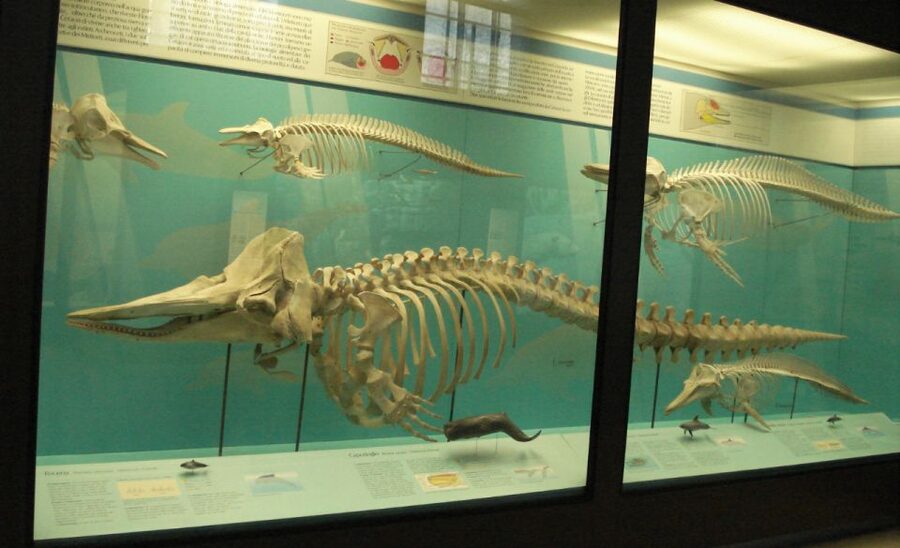
The tour is organized around core natural history categories, starting with paleontology. If you like fossils, this is the part where the audio does real work. Fossils are visual, but the audio can explain why a specimen matters, and how it fits into the bigger evolution story.
You can expect the audio points to connect specimens and exhibits to time periods and Earth history. Instead of seeing labels and moving on fast, you get a narrative thread that helps you remember what you just saw.
A small caution: paleontology can be emotionally intense in a good way, but it can also feel like sensory overload if you rush. Your best move is to pause at a handful of audio points and really listen, especially where the guide is explaining how researchers interpret fossils.
Mineralogy, Minerals, and Formations: Why the Science Feels Physical
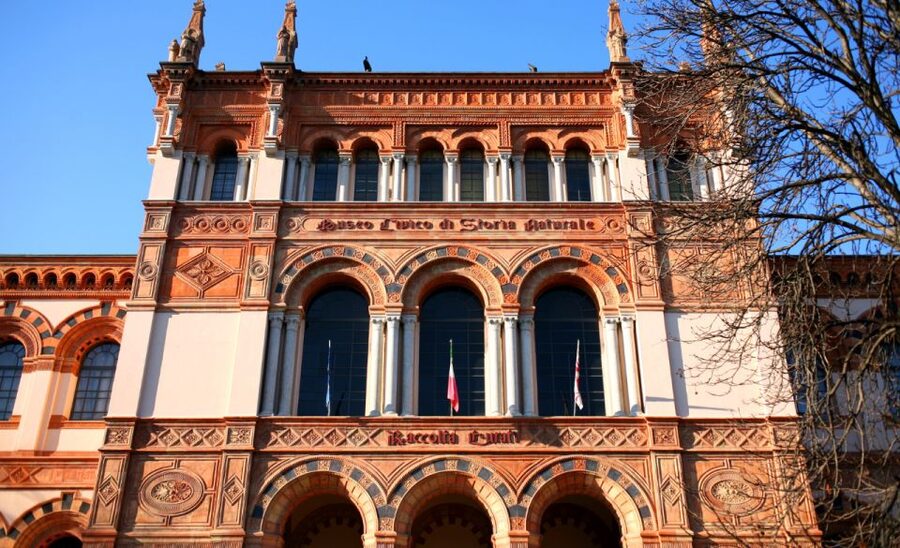
In mineralogy, the museum theme shifts from living and once-living to Earth materials. Minerals have texture and color, but they also have formation stories. The audio guide is designed to bring those stories to life.
What I like about this approach is that it makes the exhibits feel less like a museum of rocks and more like a museum of processes. Even if you are not a geology person, the audio can help you see patterns, such as what makes mineral formations scientifically meaningful.
If you are the type who likes to look closely, mineral displays reward slow walking. Use the digital map to keep your momentum without skipping the pieces that catch your eye.
Zoology and Botany: Seeing Biodiversity as a Whole Story
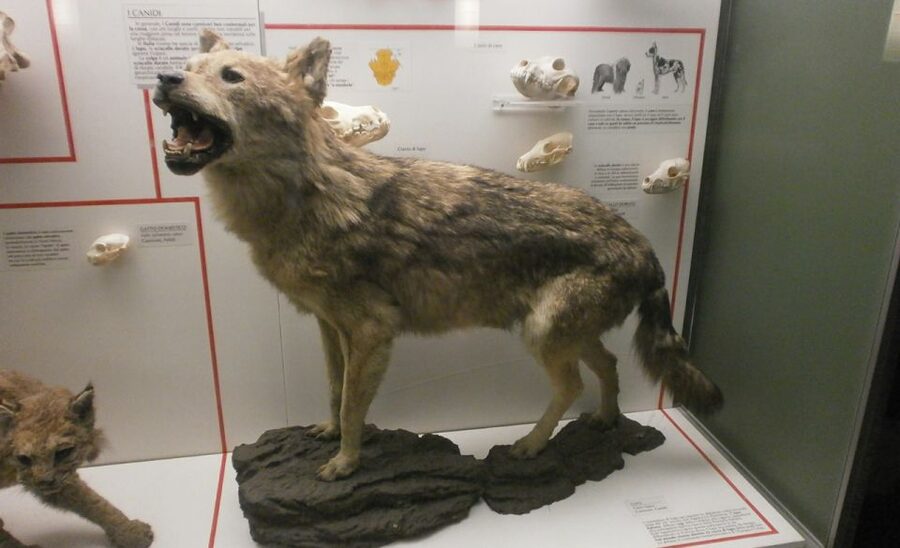
When you get into zoology and botany, you see the museum’s mission in action: biodiversity and how life changes across time and environments.
The audio points are meant to connect the collections to broader themes. You get listening cues about diversity of life forms on Earth and the way different groups of organisms fit together.
If you tend to bounce through museum rooms quickly, this is where you can reset your pace. Pick a few points to listen to fully. In many museums, the plant and animal galleries can blend together. Here, the audio tries to keep them connected by theme rather than just by room order.
Botany can also be a nice break from fossils and minerals. It is still science, but it is easier to take your time because the visuals and shapes are so readable.
Conservation and Modern Relevance: The Part That Makes It Feel Current
The museum is also using its collections to talk about conservation. That is the part where the visit stops feeling like a history lesson and starts feeling like a present-day responsibility.
Even though the exhibits include 19th-century origins and how the museum’s work continues today, the audio points are meant to connect past research to current conservation efforts.
If you care about environmental topics, pay extra attention during the sections where the audio links specimens to protection and stewardship. You’ll leave with more than a memory of displays. You’ll have a clearer idea of why collections matter in the first place.
Architecture and Garden Views: The Milan Bonus You Get for Free
One reason this museum visit feels good in real life is the setting. The museum is in Indro Montanelli Gardens, and the experience includes views of the Public Gardens of Milan.
After you walk through the rooms, the exterior and garden air become part of the payoff. This is where you can take photos, decompress, and avoid that post-museum slump where you feel stuck indoors with no plan.
Also, the museum building itself is described as architecturally elegant. Even if you mostly care about science, you will still notice the space. It makes the audio points feel more cinematic because you are in an environment that looks like it belongs to a grand institution.
A Realistic 2-Hour Plan That Fits the Audio Stops
You have 2 hours, so you want a route that does not turn into a marathon.
Here is a smart pacing idea that works with an audio-point format:
- First 20 to 30 minutes: start with whatever the audio guide leads you to early on, so you get the storyline in your head.
- Middle 60 to 75 minutes: focus on the big theme areas you care about most (paleontology and mineralogy if you love science visuals).
- Final 30 to 40 minutes: finish with zoology, botany, and the conservation relevance pieces, then slow down for garden views.
Because you have a digital map, you can adjust. If one room grabs you more than expected, stay. If you need to move on, the audio points help you decide what you are leaving behind.
Languages That Matter: When Audio Helps More Than You Think
Audio tours are hit or miss when the narration is boring or generic. Here, the key is that it is in multiple languages, and it is built for smartphone use.
English, Italian, and French are included, and German arrives from 15th April. That means fewer awkward moments where one person understands and another person guesses.
If you’re traveling with kids, audio can also be the difference between a stop that works and a stop that melts down. You can let the narration do the explanation while you focus on watching faces instead of translating everything.
Just remember: headphones are not included. Without them, you lose the main value you paid for.
What Not to Expect (and What Could Go Wrong)
This is a self-guided experience. You are not getting a live docent. That is not a problem if you like museums at your own speed. It can be frustrating if you want someone to troubleshoot in real time.
One review flagged a staff-assistance issue, with an assistant being late and instructions pointing to a wrong link. While that is not the norm you should plan on, it is a reminder to keep your setup simple:
- Scan the QR code and download the audio guide before arrival.
- If something looks off, ask staff at the museum directly for help getting the correct audio app link.
- Stay calm and re-check what your voucher tells you to scan.
Also, skip-the-line does not mean zero time. Expect some minutes for entry checks and app setup.
Price and Value: Is $12 Reasonable for Entry Plus Audio?
At $12 per person, this is one of the more budget-friendly ways to do a major museum in Milan, especially because it bundles:
- museum entry
- a smartphone audioguide in multiple languages
- a digital map
- an audio tour with 40+ audio points
- a self-guided tour of Milan included in the package
The value gets stronger if you plan to actually use the audio. If you show up and skip the guide, you are basically paying for entry alone, and other museums might compete better on price.
In other words: the $12 only feels like a bargain if you treat the visit as a guided walkthrough, even though nobody is guiding you.
There is also a hidden value in the “calm museum” factor. One positive note mentioned the museum felt very calm on a Sunday. If you can pick a quieter day and you use the audio, the experience becomes more enjoyable because you can actually hear the narration without competing noise.
Who This Works Best For (and Who Might Prefer Something Else)
This is a great fit if you:
- want a museum visit with structure but no group pressure
- like natural science topics, especially fossils, minerals, and biodiversity
- prefer learning at your own pace using headphones and a map
- want to combine indoor science with outdoor garden time right nearby
It might not be ideal if you:
- hate relying on app downloads and QR codes
- want a live guided explanation with Q&A
- are uncomfortable using your phone for ticket and audio at the same time
Families can work well here too, as long as you bring headphones and manage expectations about a self-paced museum.
Should You Book This Natural History Museum Audio Ticket?
Book it if you want a structured 2-hour visit that blends Milan’s museum elegance with a focused natural history narrative. The audio tour format and the digital map are exactly what make this feel like more than a standard entry ticket.
Think twice if you know your phone battery is unreliable, or if you hate app-based experiences. In that case, you might prefer a traditional guided tour where someone handles the setup for you.
My decision rule is simple: if you can bring headphones, charge your phone, and download the audio guide before arrival, this $12 ticket is a practical, high-value way to see a major Milan museum without wasting time.
FAQ
Where is the Natural History Museum meeting point?
You can head directly to the Natural History Museum at Indro Montanelli Gardens, Corso Venezia, 55.
How much time should I plan for this experience?
The duration is listed as 2 hours. Starting times depend on availability.
What is included with the ticket?
You get an entry ticket, a digital audioguide via an app in English, Italian, and French (German will be available from 15th April), and a self-guided tour of the city of Milan.
What is not included?
Food and drinks are not included, and headphones are not included.
Do I need headphones?
Yes. Headphones are what you need to listen to the audio guide, and they are not provided.
What languages are available on the audio guide?
The audio guide is available in English, Italian, French, and German from 15th April.
How do I get the e-ticket and audio guide?
The e-ticket is available for download and is sent via WhatsApp within 24 hours of your travel date. You enter using the e-ticket on your phone, and you should scan the QR code on your voucher to download the audio guide before arrival.
Can I skip the ticket line?
Yes, this experience includes skip-the-ticket-line entry.
Is the museum wheelchair accessible?
Yes, the experience is wheelchair accessible.
Is there free cancellation?
Yes, free cancellation is available up to 24 hours in advance for a full refund.
More Self-Guided Tours in Milan
- Milan: City Sightseeing Hop-On Hop-Off Bus with Audio Guide
★ 4.0 · 6,256 reviews - Milan: Sforza Castle Entry Ticket with Digital Audio Guide
★ 4.0 · 2,675 reviews - Milan: Museum of the 900 Entry Ticket with Audio Guide
★ 4.4 · 72 reviews - Como Walking Tour with Audio and Written Guide by a Local
★ 4.5 · 30 reviews
Recently reviewed around Milan
- Milan: The Story of Leonardo da Vinci Private Guided Tour★ 5.0 · 5 reviews
- THE WORLD OF BANKSY. THE IMMERSIVE EXPERIENCE – MILANO VARESINA 204★ 4.5 · 42 reviews
- The Monumental Cemetery of Milan: Discover the Unexpected★ 5.0 · 5 reviews
- Milan: Piazza Gae Aulenti and Pelli Tower Walking Tour★ 4.7 · 3 reviews
- Milan: Private or Shared Essential Walking Tour★ 4.7 · 84 reviews
- Milan: Bike Tour with Picnic on the turtle lake★ 4.9 · 40 reviews
- Milan | In the Crypt of time, holographic tour★ 4.6 · 77 reviews
- Milan: Test Drive a Ferrari 458 on a Race Track with Video★ 4.4 · 52 reviews
Museums, compared.
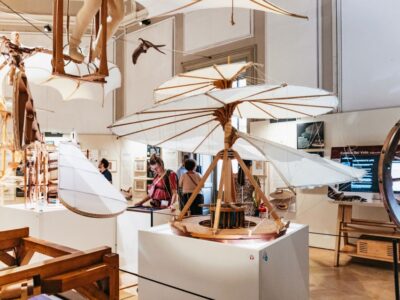
Leonardo3 The World of Leonardo Museum Entry Ticket
Read our review →
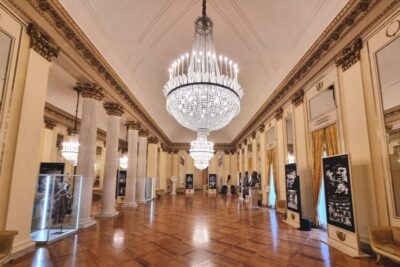
La Scala Theater and Museum Tour with Entry Tickets
Read our review →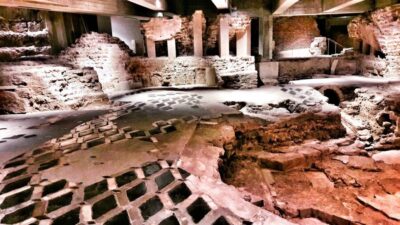
Cathedral, Archeological Area and Museum Ticket
Read our review →

Browse the lists this tour appears in