
Reviewed · MILAN
Choose three recipes to cook from all the traditional cuisine
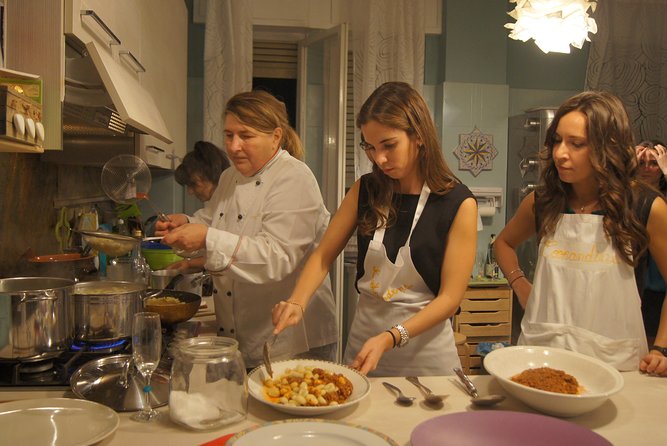
Cooking in a Milan home kitchen with Chef Aurora or Chef Lucrezia is interesting because you are not just tasting Italy, you are making it. I especially like that you choose your three recipes, so the class fits your tastes instead of forcing a fixed menu.
The second thing I really like is what happens after you cook. You sit down to a 3-course meal with wine and limoncello, and it is all tied directly to the food you made.
One possible drawback to consider: the class is hands-on, but the exact level of dough-making and step-by-step depth can vary by dish and chef. If you come expecting to do every single pastry step from scratch, ask questions when you share your recipe choices.
Key things I’d plan around
- Pick 3 recipes from across Italian traditions, including veggies and classic meats and fish
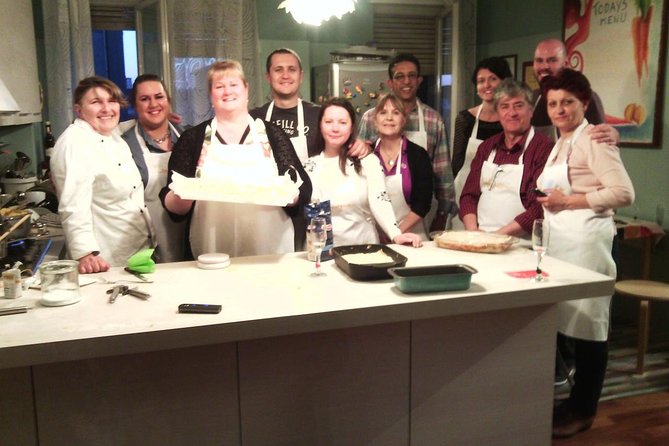
- Small group, up to 10 people, so you get real attention in the kitchen
- Two hours of cooking your own portions, then you eat what you made
- English recipes and instruction, plus you get the recipes after the class
- Wine included with lunch or dinner, with prosecco on arrival and limoncello at the end
- Vegetarian and gluten-free options are available, including gluten-free dessert options
Why this Milan cooking class feels more real than a restaurant meal
This is one of those tours that works because it connects you to a kitchen rhythm that locals recognize. In Milan, it is easy to eat your way through the city. This flips the script, you learn how dishes are built, then you eat them as a group in a home setting.
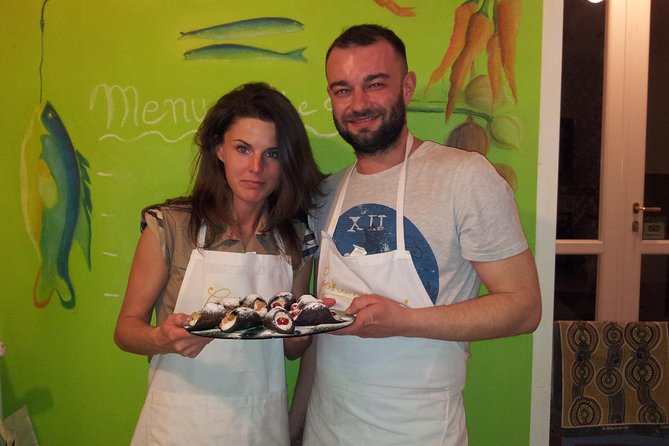
You also get choices. When you book, Chef Aurora or Chef Lucrezia contacts you with a list of recipes spanning Italian culinary regions, from Northern staples like Milanese saffron dishes to Southern and island favorites like Sicilian cannoli. If you are the first one to book a date, you are the one who picks the three dishes.
Practical note: the whole experience runs about 3 hours, so you need to treat it like a focused workshop, not a slow afternoon wandering around.
Other Milan trips worth an open tab:
- Milan: Cathedral and Duomo’s Terraces Entrance Ticket
★ 4.6 · 61,054 reviews - Milan: City Sightseeing Hop-On Hop-Off Bus with Audio Guide
★ 4.0 · 6,256 reviews - Milan: Milan Cathedral Direct Entrance – Terrace Excluded
★ 4.5 · 5,782 reviews
Choosing 3 recipes across Italy, without ending up stuck
The best part for me is that the menu is not just fresh pasta and pizza. Yes, you might make tagliatelle, ravioli, gnocchi, or pizza-style dough and toppings. But you could also end up cooking things like eggplant parmigiana, zucchini flowers filled with mozzarella, or a fish dish from Venice and polenta.
Here are some of the recipe options you might see when you get your chef’s list:
Starters that teach technique
- Bruschetta with tomatoes, garlic, basil, and anchovies
This is a fast way to learn Italian flavor logic: ripe tomatoes need help, not extra heaviness. Herbs and anchovies do the job.
Pasta and potato dishes (the “real Italy” section)
- Tagliatelle with bolognese sauce
You get a classic meat sauce foundation that you can reuse at home.
- Ravioli filled with pumpkin or ricotta and spinach
You learn how fillings behave when cooking, and how to portion without wasting dough.
- Potato gnocchi, hand-made
Gnocchi is a great skill-builder because timing and texture matter more than people expect.
A different kind of day out of Milan:
- Milan: Guided Walking Tour & Last Supper Visit with Ticket
★ 4.7 · 5,409 reviews - Milan: Navigli Canal Boat Cruise
★ 3.3 · 4,502 reviews - Milan: Serravalle Designer Outlet Roundtrip Bus Transfer
★ 4.4 · 4,374 reviews - Milan’s Must See: Half-Day Tour of Last Supper, Duomo & La Scala
★ 4.0 · 4,193 reviews
Vegetable mains that Italians actually cook
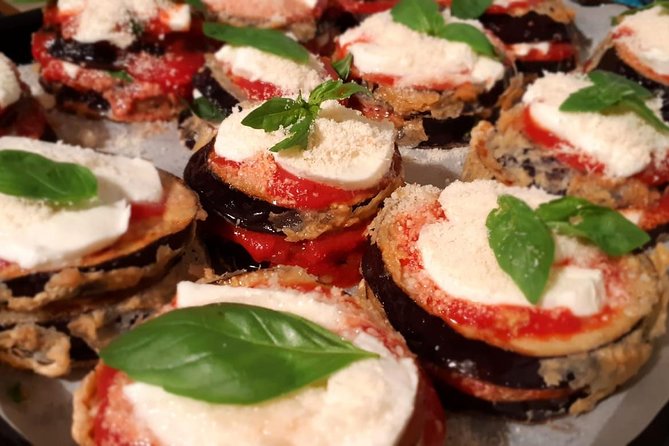
- Parmigiana eggplants
The method teaches breading, frying, and then finishing in the oven with mozzarella, basil, and tomatoes.
- Zucchini flowers
This one can be surprisingly fun, because the delicate ingredient changes how you handle frying and filling.
Meat and fish that broaden your comfort zone
- Lamb in Roman style
The sample menu notes cooking with wine, garlic, and anchovy, typical of Easter traditions in Rome.
- Codfish from Venice
Cod cooked in milk and onion, then creamed to spread over polenta.
Pizza or panzerotti, depending on your pick
- Pizza with kneading and toppings
- Panzerotti, a pocket filled with mozzarella and tomatoes and then fried
This is a good pick if you want something hands-on and satisfying, even if you do not plan to become a dough expert.
Risotto and lasagna options
- Milanese risotto with saffron
Milan’s saffron rice is cooked in broth with chicken and beef.
- Meat lasagna or vegetarian lasagna (with pesto and green beans in the example version)
Desserts that make the meal feel complete
You will likely choose between these kinds of Italian classics:
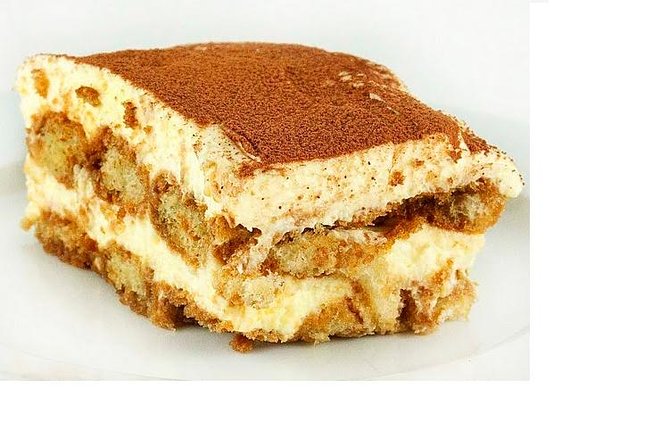
- Tiramisu (mascarpone and coffee)
- Panna cotta with fresh cream and strawberry
- Sicilian cannoli (you make the tube and fill with sheep ricotta)
- Caprese cake (almonds, egg, cocoa powder, and noted gluten-free)
When I think about value here, it is not only the variety. It is that each recipe teaches a different set of habits: sauce thickness, frying control, dough handling, and plating flow.
The 3-hour rhythm: welcome drinks, two hours of cooking, then you eat
Your timeline matters because this class moves. Expect a clear structure:
Step 1: Meet at Via Mantova and get settled
You meet at Via Mantova, 19, 20135 Milan. There is no hotel pickup, so plan on getting there with public transportation, or on foot if you are nearby. Comfortable walking shoes help, since you are in and out for the short walk and entry.
Step 2: Welcome drinks and chef instruction in English
You get a welcome drink (prosecco glass). Then the chef runs the class in English, and the recipes are provided in English as well. A big plus: you are not left guessing. Instruction includes how to cut, how to use herbs and spices, and practical timing.
Step 3: Two hours cooking your portion of everything
This is the core of the experience. The kitchen work is hands-on, and you cook your own portions of the dishes you selected. The class description emphasizes that nothing is prepared beforehand, so you see the food progress from raw ingredients to finished plates.
A useful expectation check: you will likely do the key tasks, but the exact amount of “from scratch, every micro-step” can depend on the recipe. One person noted they wanted to do more dough-making for pizza beyond toppings. If that matters to you, choose dishes where kneading or shaping is central, like ravioli, gnocchi, cannoli shells, or panzerotti.
Step 4: Lunch or dinner with wine, then limoncello
After cooking, you sit down and eat a 3-course meal. Wine is included, and the sample details are clear: two glasses of Italian wine per person with lunch or dinner. You also get another prosecco glass and then limoncello liquor at the end of the meal.
One practical tip from how the experience is described: wine is part of the table setup, not treated like a tiny tasting pour. If you prefer a lighter approach, pace yourself. The class is hands-on, and cooking + wine is a fun combo, but your hands need focus.
The food you might make: what each dish teaches you
Instead of just listing dishes, here is what each style tends to teach you in the kitchen. Use this to decide what to pick.
If you choose bolognese tagliatelle
This teaches sauce-building more than pasta glamour. You learn how meat sauce becomes cohesive, how to season, and how pasta timing syncs with sauce readiness. Tagliatelle is also a comfort-food anchor, so it works well if you want a classic meal you can repeat at home.
If you choose ravioli
Ravioli is a direct skills test: filling balance, shaping, and careful handling so the pasta stays intact. Pumpkin-filled ravioli and ravioli with ricotta and spinach both offer different flavors, so you end up learning technique, not just one filling idea.
If you choose gnocchi
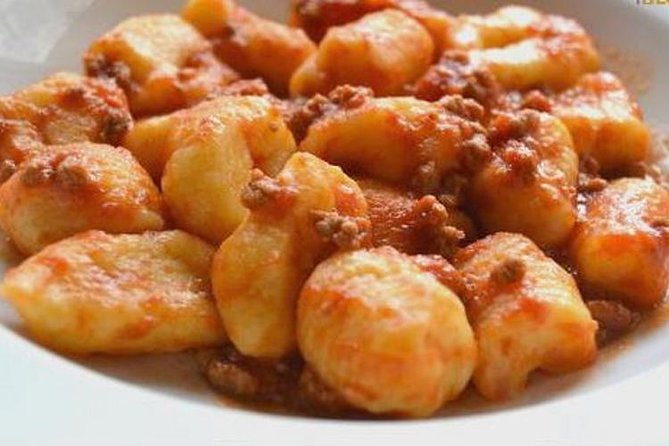
Gnocchi often surprises people because it feels basic until you make it. You get a feel for portioning and texture. Even if your gnocchi are not perfect your first try at home, you will have a method you can adjust.
If you choose eggplant parmigiana or zucchini flowers
These are the dishes that add “Italy beyond pasta” credibility fast. Eggplant parmigiana teaches frying and layering, then oven finishing to pull flavors together. Zucchini flowers teach delicacy and speed, because they do not behave like thick vegetables.
If you choose lamb Roman style
You learn how lamb gets richer with wine and aromatics, plus the saltiness and depth from anchovy. It is a great choice if you want savory depth rather than creamy sweetness.
If you choose Venetian cod with polenta
This one is comfort, but in a more elegant way. Cooking cod in milk and onion, then creaming it for polenta, teaches you how to build sauce body without relying on heavy shortcuts.
If you choose saffron risotto
Saffron risotto is a precision dish, especially if you care about texture. You learn to cook rice properly in broth so it ends creamy, not mushy.
If you choose cannoli or tiramisu
Both are dessert classics, but they teach different things. Tiramisu is timing and assembly, cannoli is shaping and filling. A person in the experience described making cannoli tubes and noted the outcome was impressive, so if dessert is your goal, cannoli can be a standout choice.
Wine and the meal setting: why it matters for your trip
This class is not only about technique. It is also about being able to relax and talk with your group once you are done working.
You get:
- Prosecco as a welcome drink
- Two glasses of Italian wine per person
- Prosecco again with the meal flow
- Limoncello at the end
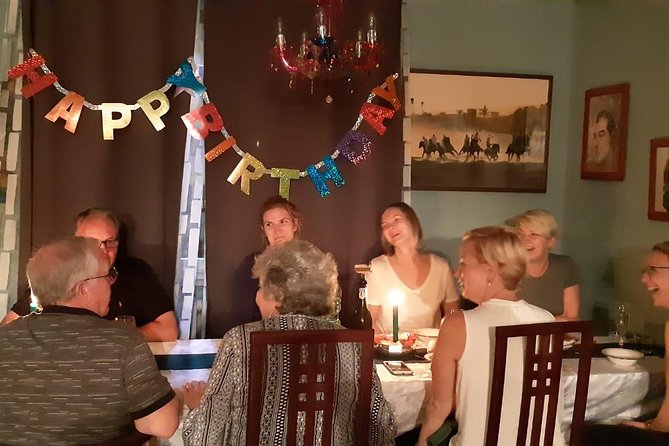
That creates a simple, local-feeling arc. You arrive, you cook, you taste, and you end with something sweet. In multiple stories, the chefs came across as warm and patient, especially for beginners and families. The small-group limit of up to 10 also helps. You are not competing for attention while your hands are covered in dough.
One thing to keep in mind: the home-kitchen setup is part of the charm, but it also means you might encounter real-world distractions like building noise. In one experience, construction noise was loud enough to be a point of irritation. It did not ruin the meal for that group, but it is worth knowing the setting is not a polished culinary studio.
Price and value: $145 for skills you can reuse
At $145.18 per person for about 3 hours, this can look pricey if you compare it to a market sandwich. But compare it to what you actually receive:
- You cook three chosen recipes (your own portions)
- You get instruction in English, plus tips and tricks that go beyond the dish
- You then eat a 3-course lunch or dinner with wine
- You receive the recipes in English so you can repeat at home
For me, the best value is the repeatability. If the ingredients are ones you can find at home, and the chef gives you clear timing and technique notes, the class becomes more than a one-night meal.
The only value caution: in a few cases, people felt the hands-on component could be more intense for certain dishes, or that recipe delivery lagged. If recipes matter to your planning, double-check that you provide your email clearly so you get the written instructions you are expecting.
Getting the most out of it: who should book, and how to choose well
This class is a strong fit if:
- You want an authentic Milan food experience in a small group
- You like hands-on learning and want techniques you can use again
- You are traveling as a couple or with family and want something memorable beyond sightseeing
- You care about Italian regional variety, not just one genre
It is also a good fit if you are not confident in the kitchen. Many people described step-by-step help and a patient teaching style, and that is a big deal in a hands-on class.
You might want to think twice if:
- You are extremely focused on doing absolutely every micro-step yourself, like full dough development for every recipe you pick
- Noise levels would bother you (since the setting is a real building)
- You expect fully private, one-on-one instruction (the class is capped at 10)
What to pick if you want the best chance of deep hands-on
If you want maximum making time, choose recipes where shaping and assembly are central:
- Ravioli
- Gnocchi
- Cannoli
- Panzerotti
If you prefer a more sauce-and-flavor lesson, consider:
- Bolognese tagliatelle
- Saffron risotto
- Lamb Roman style
And if you want vegetables to feel truly Italian, go for:
- Eggplant parmigiana
- Zucchini flowers
Practicalities you should know before you go
- The meeting point is Via Mantova, 19. There is no hotel pickup.
- Group size is up to 10 travelers, so it stays intimate.
- You get a mobile ticket.
- Instruction and recipes are in English.
- Comfortable shoes are recommended, and you should plan to arrive on time. Delays over 20 minutes are not accepted.
- Dietary requirements like vegetarian and gluten-free are supported, and gluten-free options are included in the sample dessert list.
Should you book this Milan cooking class?
If you want a hands-on meal in a real Milan kitchen, this is an easy yes. The best part is that you choose the recipes, then you get to eat them with wine and dessert that feels like Italy, not tourism.
Book it if:
- You want technique you can bring home, not just a filled stomach.
- You like small-group classes and clear instruction in English.
- You are open to regional variety, including vegetables like eggplant and zucchini flowers.
Skip it or adjust expectations if:
- You need every step, including every dough-making stage, to be fully student-led for all three recipes.
- You get stressed by small-group kitchen logistics or potential noise from the building environment.
Overall, this is a strong value for the mix of cooking time, 3-course meal, and the chance to learn classic Italian dishes from Chef Aurora or Chef Lucrezia, with the recipe notes in English to keep your progress going after Milan.
FAQ
Can I choose the three recipes in advance?
Yes. When you book, Chef Aurora or Chef Lucrezia contacts you with a list of recipe options, and you choose the three dishes. If you are the first one to book that date, you can pick the three items.
Is the class suitable for vegetarian or gluten-free diets?
Vegetarian and gluten-free options are available. The menu examples include vegetarian choices like vegetarian lasagna and gluten-free dessert options like Caprese cake.
How many people are in the group?
This activity has a maximum of 10 travelers, which keeps it small and gives you more attention during cooking.
What meals and drinks are included?
You get a 3-course lunch or a 3-course dinner (depending on the session), plus cooking class time. Wine is included, with 2 glasses of Italian wine per person, plus prosecco as welcome, and limoncello at the end.
Is hotel pickup included?
No. There is no hotel pickup. You meet at Via Mantova, 19, 20135 Milan, and the activity ends back at the meeting point.
Do I get recipes to take home?
Yes. You receive all the recipes in English.
Recently reviewed around Milan
- THE WORLD OF BANKSY. THE IMMERSIVE EXPERIENCE – MILANO VARESINA 204★ 4.5 · 42 reviews
- Milan: The Story of Leonardo da Vinci Private Guided Tour★ 5.0 · 5 reviews
- The Monumental Cemetery of Milan: Discover the Unexpected★ 5.0 · 5 reviews
- Milan: Piazza Gae Aulenti and Pelli Tower Walking Tour★ 4.7 · 3 reviews
- Milan: Private or Shared Essential Walking Tour★ 4.7 · 84 reviews
- Milan: Bike Tour with Picnic on the turtle lake★ 4.9 · 40 reviews
- Milan | In the Crypt of time, holographic tour★ 4.6 · 77 reviews
- Milan: Test Drive a Ferrari 458 on a Race Track with Video★ 4.4 · 52 reviews