
Reviewed · MILAN
Street Art&Urban Vibes in Milan’s Most Exciting Rising Areas
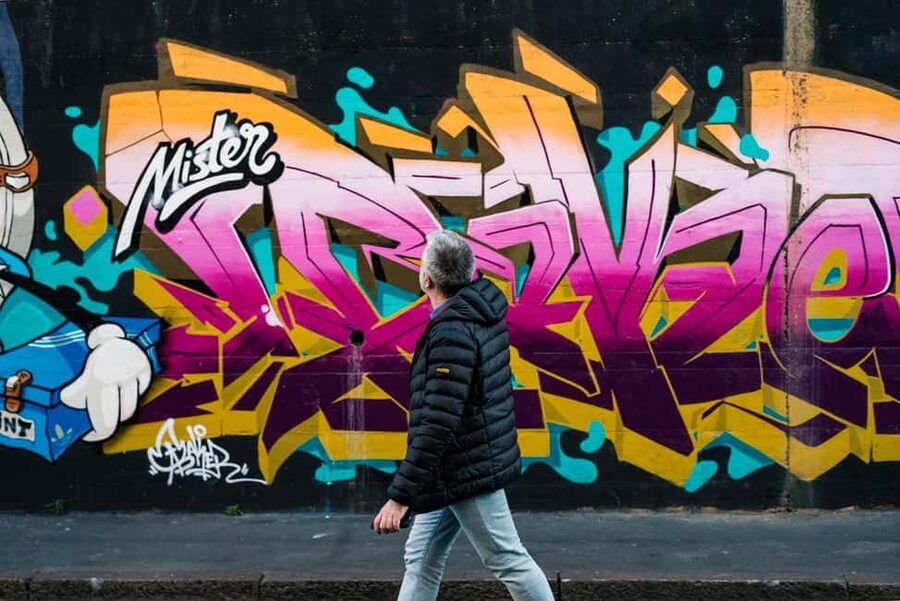
Street art and urban vibes in Milan’s newer, less-crowded areas is interesting because you’re not hunting for art in a museum. You’re walking through open-air murals and street-level scenes that feel like they’re part of daily life.
I like that the tour is led by a local street art lover, so you get ideas about the history of Milanese and Italian street art while you’re seeing the walls. I also like that it’s built around an alternative route with small businesses mixed in, so it’s more than just photos of paint.
One thing to consider is that it’s a tight 2 hours, and you need to make your own way to the meeting point near Scaringi pastry shop.
Key things you will notice on this street art walk
- A local guide who connects murals to meaning, not just locations
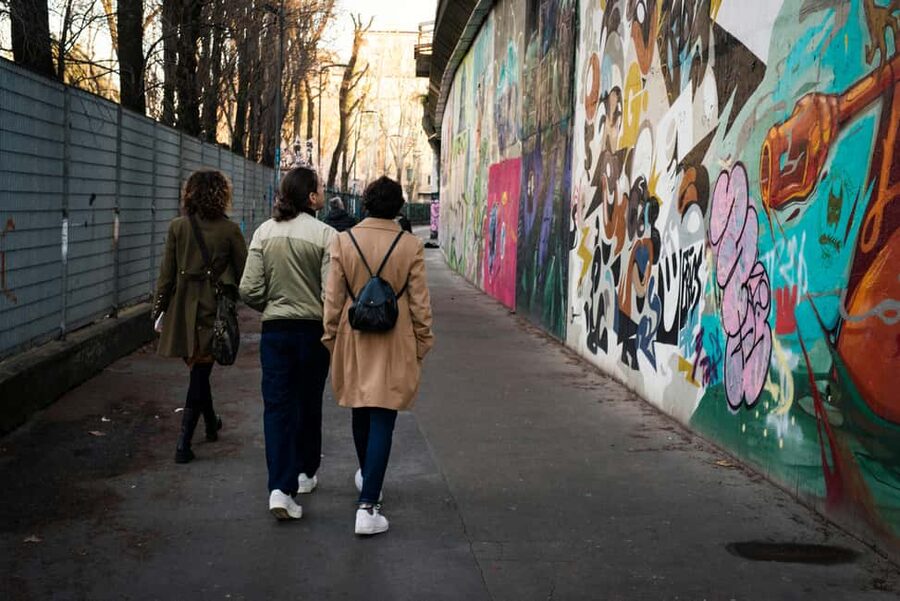
- Photo stops on multiple streets, with time to look and frame shots
- Alternative neighborhoods beyond the main tourist loops, including small businesses
- Street art as a form of protest on working-class streets, explained in plain terms
- Stops named for the places themselves, like Bici&Radici and mosso, so the walk feels real
- Private group and wheelchair accessible, so you’re not squeezed into a big crowd
Why Milan’s rising areas are such good street art material
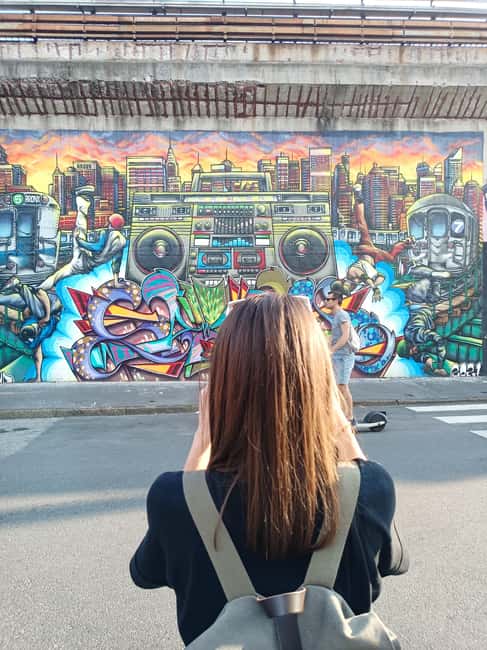
Milan has a reputation for design and style, but this kind of walking tour shows a different side. You get the sense that ordinary buildings are getting turned into public art, piece by piece, right in the flow of real neighborhoods.
If you like taking photos, this tour is set up as an urban photo safari. You’re guided to the best works you can actually see from the sidewalk, not hidden spots that require special access. And because the focus is on rising areas, you also see the everyday texture around the murals, not just wall after wall.
I also like the tour’s angle on street art. It treats street art as both creativity and commentary, including the idea that it can function as protest on working-class streets. That context matters because it changes how you look at the art, not just how it looks on your camera.
Other Milan trips worth an open tab:
- Milan: Cathedral and Duomo’s Terraces Entrance Ticket
★ 4.6 · 61,054 reviews - Milan: City Sightseeing Hop-On Hop-Off Bus with Audio Guide
★ 4.0 · 6,256 reviews - Milan: Milan Cathedral Direct Entrance – Terrace Excluded
★ 4.5 · 5,782 reviews
Meeting at Scaringi pastry shop in Pasteur, then heading out
You meet at the start point in Pasteur, right in front of the Scaringi pastry shop. That’s an easy detail to plan around, because you know exactly where the walk begins and ends.
Since it’s a private group, the vibe is calmer than big group tours. In practice, that means you can ask questions without feeling rushed. It also usually means the guide can keep the group moving at a steady walking pace, which is helpful in a city where side streets can trick you into walking longer than you intended.
Also, plan for comfortable shoes. You’re doing multiple photo stops on different streets in about two hours. Even if the tour feels casual, the goal is to see a lot of walls, so you’ll likely cover more ground than you think in a short time.
Via Padova: your first real look at Milan’s street art language
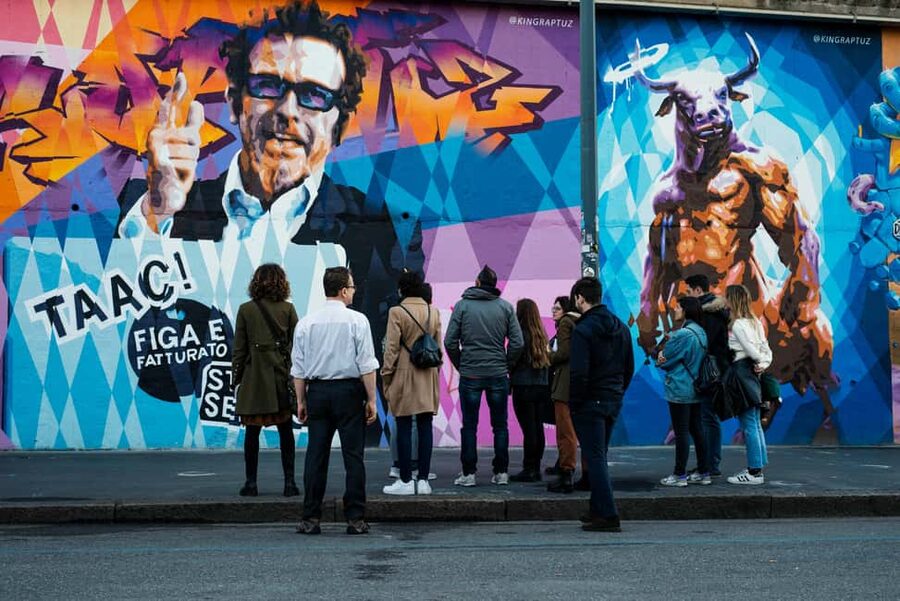
Via Padova is the first street stop after you gather at Scaringi. Expect it to work like a warm-up, with a guided look at what you’re seeing and then time for a photo stop.
This is where a good guide earns their fee. The murals only look “cool” until someone explains what to notice, like how the style communicates something or how the location shapes the message. The tour promises exactly that kind of takeaway, with notions about the history of Milanese and Italian street art.
A practical tip: don’t rush your first photo. Your eyes adjust quickly once you understand what you’re looking for. If you start snapping immediately, you’ll often end up with blurry shots or compositions you won’t like later.
Via Giovanni Pontano: reading the art instead of just photographing it
Next up is Via Giovanni Pontano. The structure stays the same, photo stop followed by guided tour time, but this stretch often feels different because each street tends to carry its own mood.
What I like about this part is the balance between seeing and learning. Instead of turning the walk into a lecture, the guide connects ideas to what’s in front of you. That helps you notice patterns, themes, and the way street art can respond to neighborhood life.
If street art is new to you, this is a good moment to ask a question. “Why here?” and “What should I notice?” are perfect questions for this kind of walk, because the guide can point out the logic behind the placement and style without needing specialized art-school language.
A different kind of day out of Milan:
- Milan: Guided Walking Tour & Last Supper Visit with Ticket
★ 4.7 · 5,409 reviews - Milan: Navigli Canal Boat Cruise
★ 3.3 · 4,502 reviews - Milan: Serravalle Designer Outlet Roundtrip Bus Transfer
★ 4.4 · 4,374 reviews - Milan’s Must See: Half-Day Tour of Last Supper, Duomo & La Scala
★ 4.0 · 4,193 reviews
Viale Monza: more walls, more stories, and still time for photos
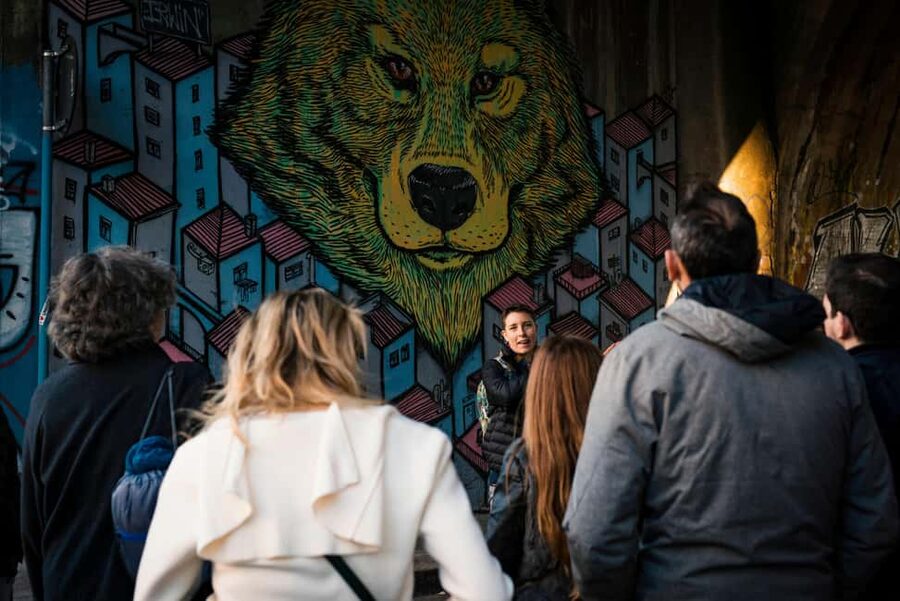
Then the tour moves to Viale Monza for another set of photo stop and guided tour time. This is where you start to feel the rhythm of the walk, because you’re repeating the same format in different settings.
This is also where you understand why the tour is marketed as an alternative neighborhood experience. You’re not only focused on murals, you’re moving through the streets that support them, including the working-class feel the tour description highlights. The guide’s context about street art as protest is especially relevant here, because it frames some works as messages aimed at power, unfairness, or daily frustrations.
Photo-wise, you’ll likely end up with better results if you take a moment before each shot. Look at background clutter, check lighting, and think about whether you want a tight mural shot or a wider street scene that shows the surrounding neighborhood.
mosso: a named stop that makes the walk feel local
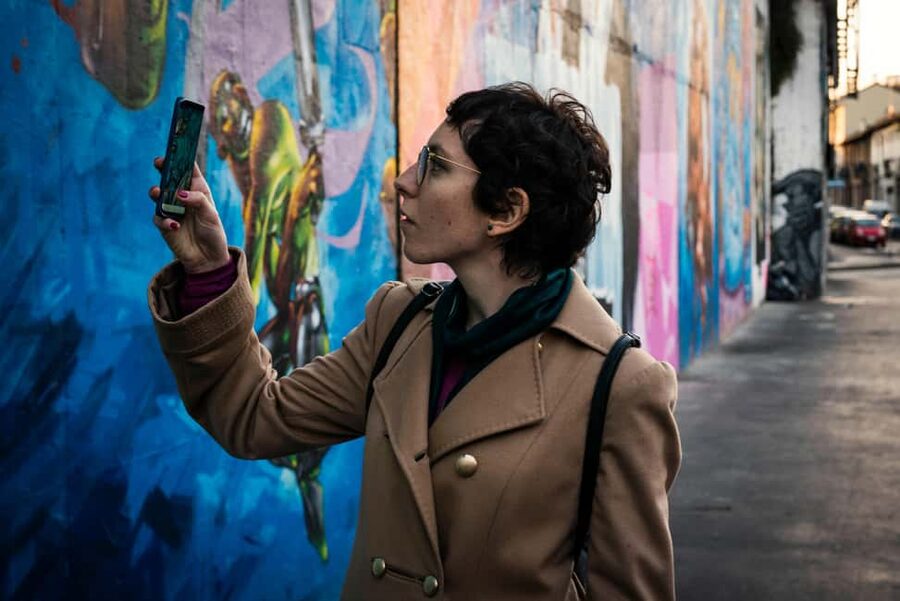
After Viale Monza, the tour includes a stop called mosso. Like the other named places, this is treated as a place to see, photograph, and talk through what you’re looking at.
Stops like this matter because they add specificity. Instead of “somewhere with street art,” you get a clear setting that feels like part of the neighborhood fabric. That helps you remember the walk later, and it makes the experience feel less like a scavenger hunt and more like exploring a place with someone who knows it.
If you’re traveling with a friend who loves art, this kind of stop is a win. You get the visuals, but you also get the social meaning, which is often the part people miss when they self-tour.
Bici&Radici: street art in a small-business setting
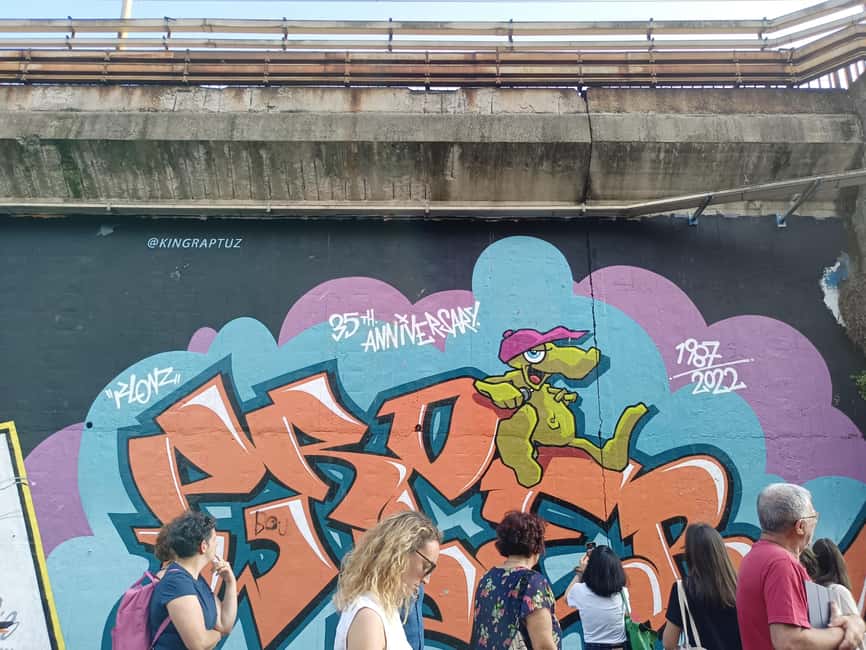
Then you reach Bici&Radici, another planned photo stop with guided discussion. The tour description specifically signals that you’ll get to know small, alternative businesses along the route, and this is the kind of stop that fits that promise.
In towns like Milan, street art can feel separate from daily commerce unless you see the blend. When a mural sits near a small business, it turns into something more than decoration. It becomes part of what people pass every day, like signage for the neighborhood’s personality.
This is also a good place to slow down. If you like street photography, you’ll often find that storefront energy and mural colors work together. Even if you just take a few solid photos here, you’ll probably leave with more satisfying shots than you expect.
Hug: closing the loop and getting you back to Pasteur
The next and final stop before wrapping up is called Hug, again with photo stop and guided tour time. By now, you’ve built a “lens” for what street art is doing, so the last stops tend to land better.
You should also feel a bit of closure. The tour brings you back to the meeting point in Pasteur near the Scaringi pastry shop. That matters when you’re short on time or want to avoid the stress of finding your way back after walking in a new area.
If you’re planning the rest of your day, this end timing is useful. A two-hour tour plus a nearby café stop is a simple way to keep your energy up, because you’ll likely have that post-walk urge to look again at what you saw.
The street art history you’ll understand while you walk
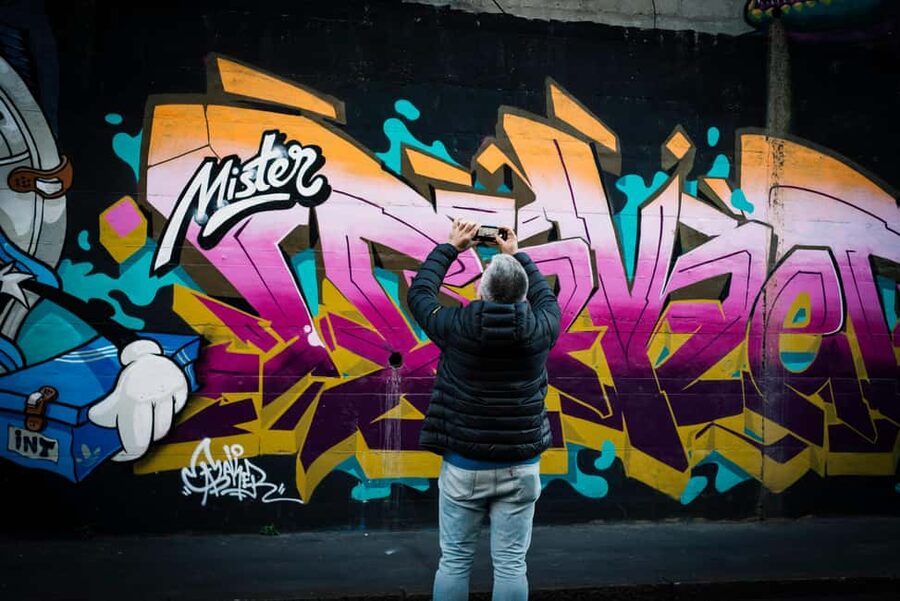
The tour doesn’t just point at murals. It gives you notions about the history of Milanese and Italian street art, in a way that connects directly to the scenes on the streets.
That’s valuable because street art can feel random if you don’t have any framing. With even a basic context, you start noticing themes. You also start understanding how styles and messages might relate to the neighborhood and to broader Italian street art culture, without needing to be an expert.
One practical detail from the best part of the experience is the impact of a strong guide. In particular, a guide named Simon comes up as someone who puts effort into showing hidden corners and delivers information that feels full of surprises. That kind of guiding tends to make the whole walk more memorable, because it’s not just about seeing art, it’s about seeing it with someone who cares.
Price and value: what $90.63 really buys you
At $90.63 per person for a 2-hour walk, this is not a “grab-and-go” freebie. But you are paying for a local street art lover expert, structured stops for photos, and a route that aims at areas tourists don’t usually go.
I think the value comes from three things you cannot fully DIY:
- The guide’s ability to explain what you’re seeing while you’re seeing it
- The curated route that links murals to neighborhood life
- The chance to get into small alternative business zones without guessing
Also, the tour is advertised as the only street art tour in Milan. Even if you treat that as marketing, it signals that they position it as a focused niche experience, not a generic city walk with a few murals sprinkled in.
Do note one limit: public transportation to reach the meeting point is not included. So you’ll want to budget time and transit cost to get to Scaringi pastry shop on your own.
Who should book this private urban photo safari
This is a great fit if you want Milan without only the obvious big-name sights. You’ll enjoy it most if you like street-level creativity, photos that feel real, and neighborhoods that don’t revolve around tourist checklists.
It’s also a good choice if you enjoy learning in motion. The tour format is walk, look, photo stop, guided talk. That keeps attention up and prevents the experience from turning into a stand-still museum style visit.
If you’re the type who likes small businesses, you’ll likely appreciate the way the route mixes murals with places like Bici&Radici and the other named stops. And if you’re traveling with someone who thinks street art is just vandalism, the tour’s explanation of protest and meaning gives you something concrete to discuss.
Practical tips to make the walk smoother
You’ll walk for about 2 hours, so keep your day schedule light right before and right after. Bring water if you tend to get thirsty on city walks, and dress for street-level weather because you’ll be outside.
The guide is available in English and Italian, which is useful if you want to ask follow-up questions. You’re also in a private group, which helps if you want a slower pace or need extra time at photo stops.
Wheelchair accessibility is included, so the tour is designed to be workable for mobility needs. Still, I’d plan on uneven sidewalks, since that’s part of city streets everywhere.
Finally, remember the meeting point detail. Start in front of the Scaringi pastry shop in Pasteur. End back at the same meeting point. That simple loop is one of the easiest ways to avoid day-of navigation stress.
Should you book this street art walk in Milan’s rising areas?
I’d book it if you want street art in a context you can actually feel, not just scenery. The biggest strength is the guide, especially with a name like Simon showing hidden corners with clear, informative storytelling. Add the photo stops and the mix of alternative streets and small businesses, and you get a short tour that still feels like you learned something.
Skip it only if you hate walking and want a longer sit-down experience, or if you don’t want to handle getting to the meeting point on your own.
If your goal is to see Milan with a creative lens, this 2-hour urban photo safari is a smart use of time.
FAQ
How long is the street art experience?
It lasts 2 hours.
Where do I meet the guide?
You meet in front of the Scaringi pastry shop.
Where does the tour end?
The tour ends back at the meeting point.
Is this experience private?
Yes, it is a private group.
What languages are the live guides?
The live tour guide is available in English and Italian.
Is the tour wheelchair accessible?
Yes, the experience is wheelchair accessible.
What is included in the price?
The price includes a street art lover local expert.
Is public transportation included to reach the meeting point?
No, public transportation to reach the meeting point is not included.
Can I cancel for a refund?
You can cancel up to 24 hours in advance for a full refund.
Is there a reserve and pay later option?
Yes, you can reserve now and pay later, keeping your travel plans flexible.
Recently reviewed around Milan
- Milan: The Story of Leonardo da Vinci Private Guided Tour★ 5.0 · 5 reviews
- THE WORLD OF BANKSY. THE IMMERSIVE EXPERIENCE – MILANO VARESINA 204★ 4.5 · 42 reviews
- The Monumental Cemetery of Milan: Discover the Unexpected★ 5.0 · 5 reviews
- Milan: Piazza Gae Aulenti and Pelli Tower Walking Tour★ 4.7 · 3 reviews
- Milan: Private or Shared Essential Walking Tour★ 4.7 · 84 reviews
- Milan: Bike Tour with Picnic on the turtle lake★ 4.9 · 40 reviews
- Milan | In the Crypt of time, holographic tour★ 4.6 · 77 reviews
- Milan: Test Drive a Ferrari 458 on a Race Track with Video★ 4.4 · 52 reviews