Reviewed · TICKETS
Milan: Villa Necchi Campiglio Entry Ticket
Villa Necchi Campiglio is interesting because it drops you into Milan’s interwar glamour, yet it feels quiet and private once you’re inside the walls. This is a real house with real design choices from the 1930s, set in a garden pocket near the fashion district.
I love the 1930s domestic architecture and how the interior design changes room to room, so you see how taste shifts while the family stays rooted in its lifestyle. I also love the garden and pool setting, which gives you a break from Milan’s pace without needing to leave the city center.
One possible drawback: the visit is short, about 1 hour, so if you want a long, deep, room-by-room experience (or if a section like the basement is closed), you may feel a bit rushed.
Key points to know before you go
- 1930s Portaluppi design: a Milan mansion built for a specific era, not a generic museum set
- Art and interior choices: you’ll see the kind of objects and styling that signal interwar wealth
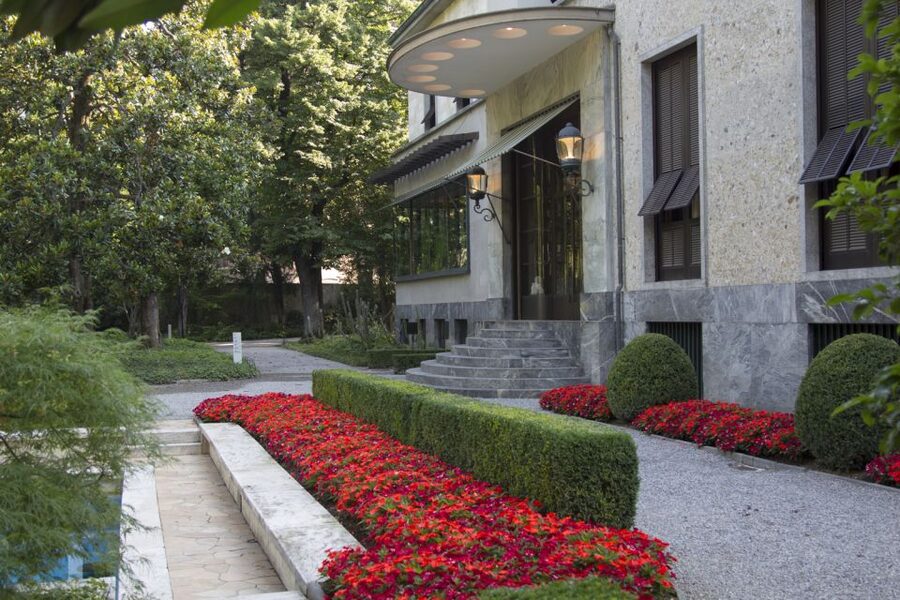
- Garden time that actually feels peaceful: it’s not just a courtyard, it’s part of the experience
- Friendly staff and docents: explanations happen in many rooms, and help is close by
- Short, efficient visit: plan your day around a tight hour, not a half-day wandering spree
- Entrance tip matters: the entrance is on Via Mozart, and Google Maps can mislead you
Villa Necchi Campiglio, Milan’s interwar house you can actually walk through
This ticket gets you into Villa Necchi Campiglio, one of those Milan addresses that makes the city feel more human. Outside, it’s still Lombardy, still traffic and schedules. Inside, it’s a different tempo, with rooms that reflect a well-planned life and a garden that helps you exhale.
What I like about this experience is the balance. You get the wow factor of a glamorous home, but you also get something practical: you can see a full house experience in about an hour. It’s perfect when you want a change from churches and shopping, without giving up your whole day.
The whole place is tied to the interwar years. The villa was designed by architect Portaluppi, and you get to walk through a home that still carries that 1930s mindset, not a later makeover pretending to be older. The story isn’t only walls and ceilings, it’s how the family used the space and what they chose to display.
A few more Milan days worth comparing
- Milan: Cathedral and Duomo’s Terraces Entrance Ticket
★ 4.6 · 61,054 reviews - Milan: Guided Walking Tour & Last Supper Visit with Ticket
★ 4.7 · 5,409 reviews - Milan: Leonardo3 The World of Leonardo Museum Entry Ticket
★ 4.4 · 3,241 reviews
Finding the entrance on Via Mozart (and what to do if maps try to trick you)
Here’s the first practical tip: go to the entrance on Via Mozart. Do not trust Google Maps blindly. One guide-level warning you’ll hear from the people who work there is that visitors often wait at the wrong street spot.
The tour also starts inside. If you’re standing outside at the street entrance expecting everything to begin there, you’ll waste time. The smoother approach is simple: walk to the Via Mozart entrance, then head inside right away.
If you’re walking from central Milan, you’ll likely come in around the same area as Via Montenapoleone and the fashion district. It’s also about a 10-minute walk from San Babila. That means this stop can fit between other plans without a complicated transit route.
The 1-hour pacing: how to plan your Milan day around this villa
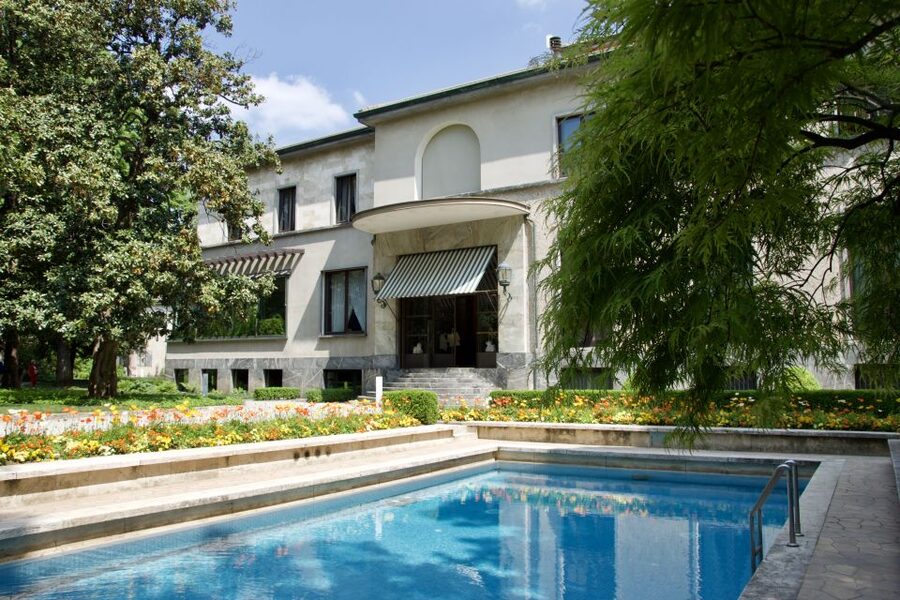
The visit duration is listed as 1 hour. That’s short enough that you can treat it as a smart palate cleanser, but long enough to make an impression if you move with purpose.
My advice: arrive ready to browse. You can spend time pausing at key viewpoints, especially in rooms with big windows, but keep an eye on the clock. This isn’t a place where you want to get lost in slow scrolling mode, even though the villa encourages you to look.
If you’re traveling with someone who prefers more action than art and architecture, this can still work, but you’ll want to set expectations. The house is fascinating for design-minded visitors, and a bit more still for people who do not care about interiors. A good tactic is to focus your visit on two themes, like architecture and garden mood, so the time feels purposeful for both of you.
Also remember this: some areas may not be available on every visit. One common example mentioned is the basement being unavailable at times. Don’t panic if parts are closed when you arrive, the core experience still delivers.
Discover the house: rooms that show taste, comfort, and status
Inside Villa Necchi Campiglio, the experience is about seeing how luxury looked in everyday domestic life. It’s not just a gallery of objects. It’s a house plan, with rooms arranged to suggest comfort, formality, and a confident sense of taste.
One of the biggest strengths here is how much you can learn just from walking. You pick up the feel of a family home by noticing what’s visible, what’s framed, and how the rooms connect. You’ll also notice the sense that interior design isn’t fixed in time. Even within the villa, there are cues of changing interior tastes, which helps the story feel less like a postcard and more like real living decisions.
You’ll likely encounter docents in multiple rooms. They’re there to explain details if you ask, and they often keep explanations focused on what matters visually and historically. English support can be variable, but some staff members provide serviceable English, so you should be able to follow the main points even if your Italian is basic.
A different kind of day out of Milan:
- Milan: City Sightseeing Hop-On Hop-Off Bus with Audio Guide
★ 4.0 · 6,256 reviews - Milan: Milan Cathedral Direct Entrance – Terrace Excluded
★ 4.5 · 5,782 reviews - Milan: Navigli Canal Boat Cruise
★ 3.3 · 4,502 reviews - Milan: Serravalle Designer Outlet Roundtrip Bus Transfer
★ 4.4 · 4,374 reviews
Architecture by Portaluppi: what to look for in a 1930s Milan mansion
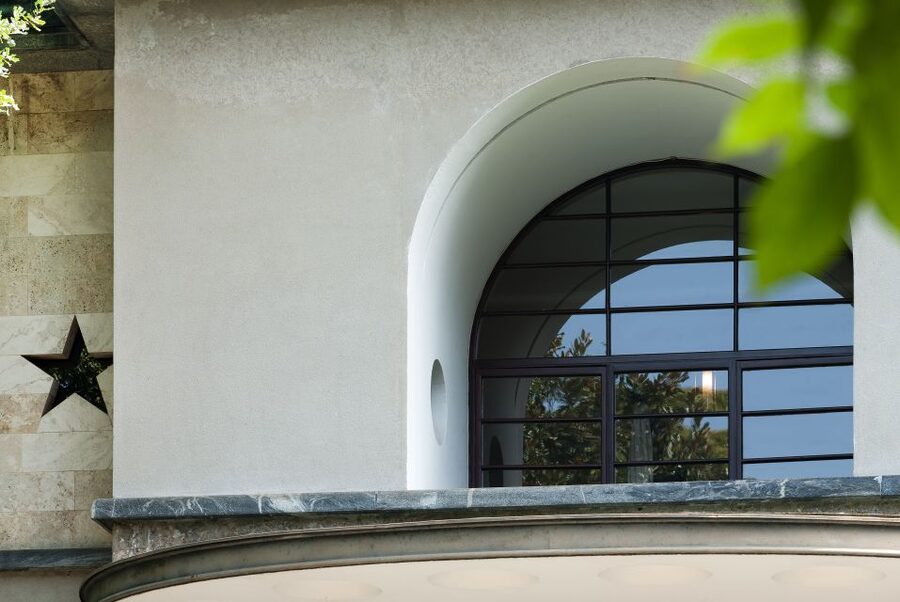
Villa Necchi Campiglio was designed by Portaluppi, and that’s not a trivia fact you skip. The architecture influences everything: the flow of space, how rooms feel light, and how the exterior garden relates to what you see from inside.
When you look around, focus on three things:
First, the layout. You’re moving through a house that makes sense for social life and daily life.
Second, the way light behaves. Big openings and window views are part of the design, not an accident.
Third, how the home frames art and furnishings. The house is designed to show off what the family valued.
I also like that this is not a perfectly sanitized, overly white museum. The villa reads as a home. That makes the design feel more believable, and it’s easier to understand why these spaces were so important to the family.
The garden and pool: the calm part of Milan you can actually reach
The garden is not just a background. It’s part of the reason to book. After the city noise, stepping into the grounds creates a natural pause, like your schedule got quiet for a minute.
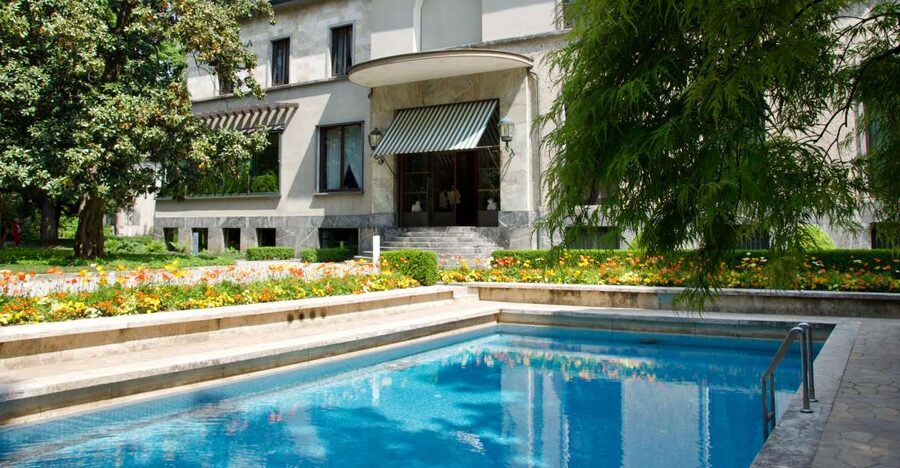
If you love color, pay attention to details mentioned by past visitors, like the blue-turquoise pool and the way seasonal flowers can pop around it. In spring, the look described includes orange poppies and big green ferns, which helps the setting feel alive rather than decorative.
And you do not need to be a landscape expert to enjoy it. The point is mood. The villa’s garden gives you something Milan can struggle to offer, space to slow down without leaving the center. You also get a bit of the “how life felt” angle. A mansion like this wasn’t only about rooms. It was about outdoor time too.
Some visitors mention sitting to enjoy the views and the overall peace around the villa. Even if food is not part of your ticket, the atmosphere is designed for lingering.
Staff help and docents: how guided the experience really is
This is one of the best places to visit when you want explanations but do not want a rigid lecture. Staff members tend to be friendly, and in many rooms you can find docents who offer to explain features if you ask.
That’s important because it turns the experience from self-guided wandering into something more meaningful. You’re not stuck guessing what you are looking at, and you can confirm why certain design choices matter.
A small heads-up: language can affect how much you get out of the explanations. One visitor noted that the tour could be in Italian, so if you want detailed narration, plan to go in with either basic Italian or the willingness to ask questions in a mix of languages. The good news is that English can be available in serviceable form with some staff.
On-site cafe and food expectations: what your ticket does and does not cover
Your entry ticket is for access to the villa. It does not include food or a restaurant meal.
Still, there may be an on-site cafe. Some visitors mention stopping for refreshments after or during the visit. If you want a snack, drink, or a sit-down break, treat it as an optional add-on, not a guaranteed part of what you paid for.
This matters because you should plan timing. With a one-hour visit, it’s best to pair the villa with another nearby activity and then decide on food based on hunger level. You can keep the villa as a calm anchor and let the rest of the day do what it does best.
Price and value: why $17 makes sense for what you get
At about $17 per person, this ticket lands in the “worth it” category, especially for visitors who want something distinctive in Milan.
Here’s why the value feels real:
You get entry to an actual 1930s house, not just a single highlighted room.
You get art, architecture by Portaluppi, and garden time in a compact visit.
You also benefit from staff presence in many rooms, so you can ask questions and not feel shut out.
If you compare this to the cost of a longer guided experience, or to paying for a separate museum ticket plus a transport detour, Villa Necchi Campiglio often feels like a clean win. It’s also ideal if you’re building a Milan itinerary where you want variety. One day can be fashion and landmarks. Another day can be design and quiet.
Where this fits best: pairing it with San Babila and the fashion streets
The location makes this villa easy to place on the map. You’re near Via Montenapoleone and the fashion district, and you’re about a 10-minute walk from San Babila. That means you can do it before shopping, after a morning sightseeing block, or as a mid-afternoon reset.
A smart sequencing idea:
Do the villa when you want calm, not crowds.
Then head toward Duomo area for higher-energy sightseeing, or toward the shops for an easy transition.
If you want a plan that feels balanced, treat the villa as your quieter “design break.” It pairs nicely with other central stops because the walking connection is straightforward.
Should you book Villa Necchi Campiglio entry?
Book it if you want a Milan experience that focuses on interwar elegance, interior design, and architecture by Portaluppi, with a garden that gives you a real pause. It’s also a great choice if you appreciate art and domestic detail, because the house makes those things feel personal.
Skip it, or at least reconsider, if you have limited patience for house museums. The visit is only about an hour, and if your group is not interested in architecture or interiors, the experience may feel slower than you want. Also keep your expectations flexible if a portion like the basement is not available on your date.
Overall, I think this is a strong booking. For the time, the price, and the payoff of seeing a 1930s Milan home still filled with its intended character, Villa Necchi Campiglio is a very sensible choice.
FAQ
Where is the meeting point for Villa Necchi Campiglio?
You should go to the entrance of Villa Necchi located on Via Mozart.
How long does the visit last?
The duration is listed as 1 hour.
What is the price for the entry ticket?
The price is $17 per person.
Is food included with the ticket?
No. No food or restaurant is included with the entry ticket.
Is there wheelchair access?
Yes, the activity is wheelchair accessible.
Is there a free cancellation option?
Yes. Free cancellation is available up to 24 hours in advance for a full refund.
Can I reserve now and pay later?
Yes. Reserve now & pay later is offered, meaning you can book your spot and pay nothing today.
Where should I go if I am using maps on my phone?
The entrance is on Via Mozart. It can be helpful to note that maps directions may lead you to the wrong street entrance, so follow Via Mozart for the correct entry point.
How do I find the start times?
Check availability for starting times since the visit duration is 1 hour.
Recently reviewed around Milan
- Milan: The Story of Leonardo da Vinci Private Guided Tour★ 5.0 · 5 reviews
- THE WORLD OF BANKSY. THE IMMERSIVE EXPERIENCE – MILANO VARESINA 204★ 4.5 · 42 reviews
- The Monumental Cemetery of Milan: Discover the Unexpected★ 5.0 · 5 reviews
- Milan: Piazza Gae Aulenti and Pelli Tower Walking Tour★ 4.7 · 3 reviews
- Milan: Private or Shared Essential Walking Tour★ 4.7 · 84 reviews
- Milan: Bike Tour with Picnic on the turtle lake★ 4.9 · 40 reviews
- Milan | In the Crypt of time, holographic tour★ 4.6 · 77 reviews
- Milan: Test Drive a Ferrari 458 on a Race Track with Video★ 4.4 · 52 reviews
Tickets, compared.

Cathedral and Duomo’s Terraces Entrance Ticket
Read our review →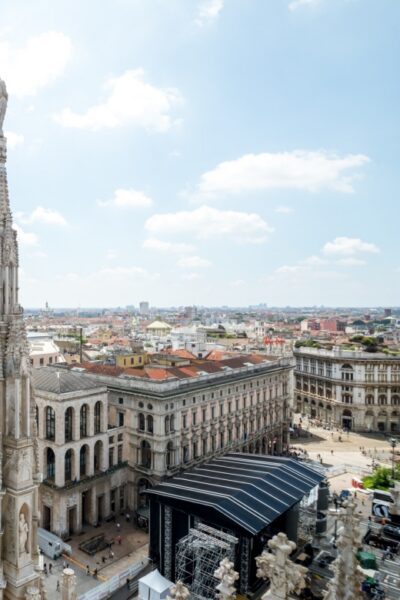
Milan Cathedral: Duomo Terraces Ticket (No Church Access)
Read our review →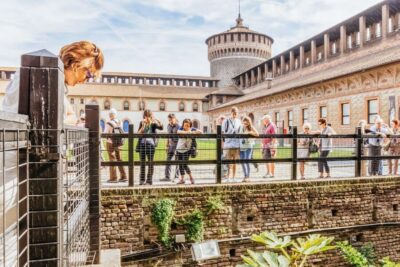
Guided Walking Tour & Last Supper Visit with Ticket
Read our review →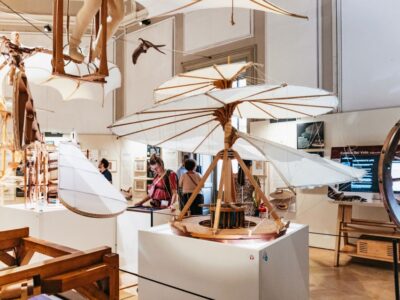
Leonardo3 The World of Leonardo Museum Entry Ticket
Read our review →
Duomo Rooftop and Cathedral Guided Tour with Tickets
Read our review →
Sforza Castle Entry Ticket with Digital Audio Guide
Read our review →
Historic Milan Tour with Skip-the-Line Last Supper Ticket
Read our review →