
Reviewed · MILAN
Milano: Degustazione caffè di qualità dalla moka al filtro
What makes this Milano coffee tasting interesting is the way you taste coffee as three different extraction methods, not as one generic cup. I like that you start with single-origin coffees, so you can notice differences in flavor instead of hiding behind blends or milk.
I also like the format with a small group and instructors who explain each step clearly in English, Italian, or Spanish. One possible drawback: if you only want a quick, casual espresso moment, this workshop leans more technical than most coffee stops.
Key highlights you should know
- Single-origin coffees chosen by season and availability, so the flight is fresh and specific
- Three brews in sequence: Moka, V60, then Chemex, each showing a different style of extraction
- Hands-on technique tips you can use at home, not just tasting notes
- Plenty of water between cups, which makes comparisons much easier on your palate
- Dessert included, with a vegan option, so you can slow down and enjoy
A Milano coffee workshop built for comparison, not confusion
This is a 2 hour specialty coffee experience in Lombardy, priced at $35 per person, with a small group limited to 6 people. The core idea is simple: forget what you think you know about coffee. You do not just drink. You compare.
The setting is intentionally intimate. In a group that small, you can ask questions and actually follow the logic behind each method. And because the tasting focuses on single origins, you get a clearer sense of how a coffee’s natural character changes when you alter the extraction style.
Other Milan trips worth an open tab:
- Milan: Cathedral and Duomo’s Terraces Entrance Ticket
★ 4.6 · 61,054 reviews - Milan: City Sightseeing Hop-On Hop-Off Bus with Audio Guide
★ 4.0 · 6,256 reviews - Milan: Milan Cathedral Direct Entrance – Terrace Excluded
★ 4.5 · 5,782 reviews
Your 2 hour plan: three single origins, three brews
The flow usually goes in a clean sequence, from traditional Italian gear to two filter-forward methods. You taste three different single origin coffees, then you taste each one through a different approach:
- Moka: the iconic stove-top method tied to Italian tradition
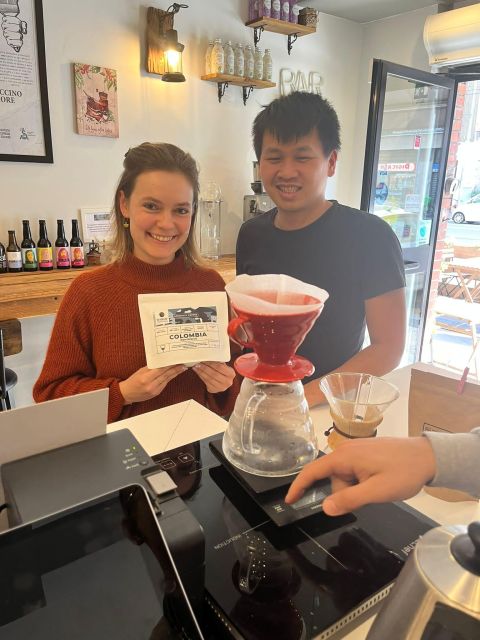
- V60: a popular pour-over method that shows how filter coffee differs from American style coffee
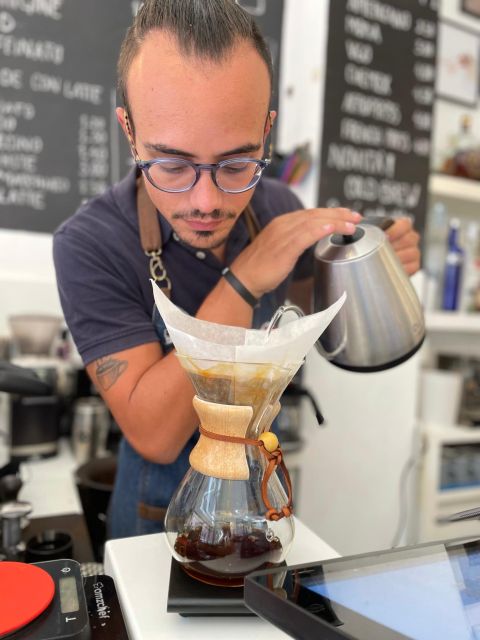
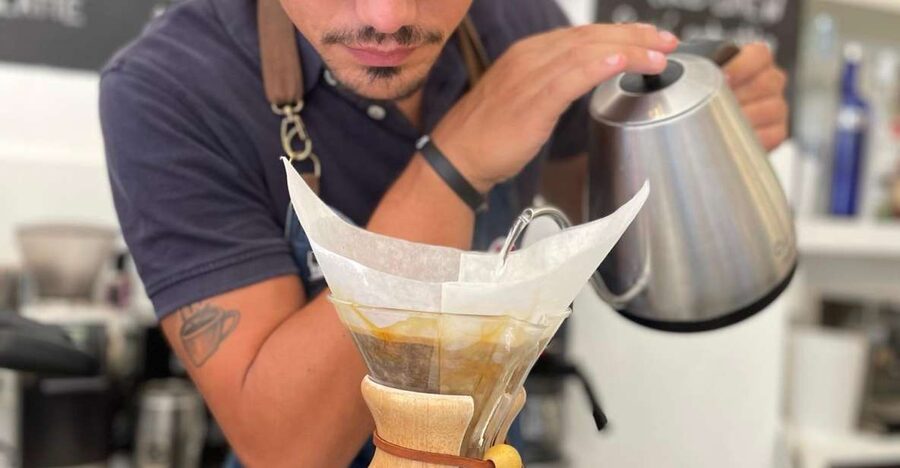
- Chemex: the design-forward brewer that tends to highlight aromatic clarity
Between tastings, you get water. That matters more than you might think. Coffee tasting can blur fast. Water resets your palate so the next cup is a real comparison, not just more caffeine.
The instructor also shares practical guidance on how to prepare a good coffee at home. You are not left with only theory. You leave with a mental checklist you can use.
Single-origin coffee: why it makes the whole experience click
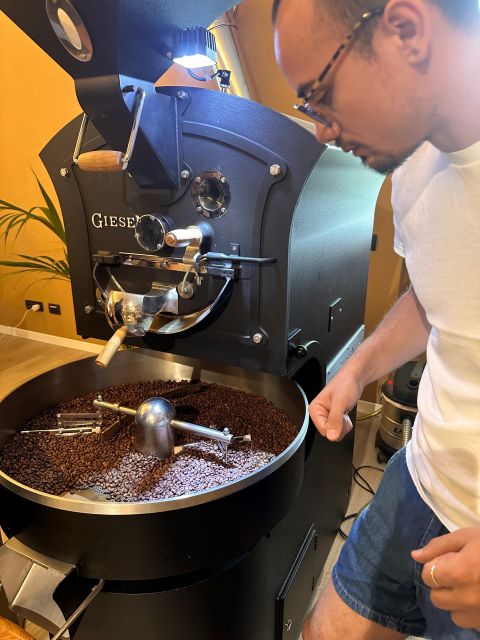
Before you even reach the brewing stations, you learn the basics of what single origin means in practice. Here, the coffees come from specific plantations or producers across Africa, South America, and Asia. The exact origins depend on seasonality and what is available at the time.
That seasonal ingredient is a nice touch for value. You are not getting a generic flight that could have been sold anywhere, anytime. You get something that is actually chosen for the period.
Now the big benefit: single origin makes comparisons more honest. When you taste one origin in multiple extraction styles, you can track how extraction changes the balance of acidity, sweetness, and aromatics. It becomes much easier to answer the question you probably came with, which is why coffee tastes so different depending on how it is brewed.
Moka coffee: Italian tradition, and the details that change the cup
Moka is often treated like a default. Here, you treat it like an experiment.
You get to understand how Moka has changed over time and how it can enhance a coffee’s natural and aromatic properties. The goal is not to turn you into a Moka engineer. It is to help you recognize what the method does well, and what kinds of flavors you are likely to notice.
What I like about the way this part is framed is the focus on aromatics and natural properties. Moka can be intense, and you can easily lose nuance if you rush it. In this workshop, you learn to slow down and notice the sensory differences instead of chasing only strength.
Tip you can use right away: when you taste Moka in this structured setting, pay attention to how the coffee feels in your mouth. Then, when you move to V60, try to describe what changed in texture and flavor clarity. That habit carries over to brewing at home.
A different kind of day out of Milan:
- Milan: Guided Walking Tour & Last Supper Visit with Ticket
★ 4.7 · 5,409 reviews - Milan: Navigli Canal Boat Cruise
★ 3.3 · 4,502 reviews - Milan: Serravalle Designer Outlet Roundtrip Bus Transfer
★ 4.4 · 4,374 reviews - Milan’s Must See: Half-Day Tour of Last Supper, Duomo & La Scala
★ 4.0 · 4,193 reviews
V60 and filter style: how filter differs from American coffee
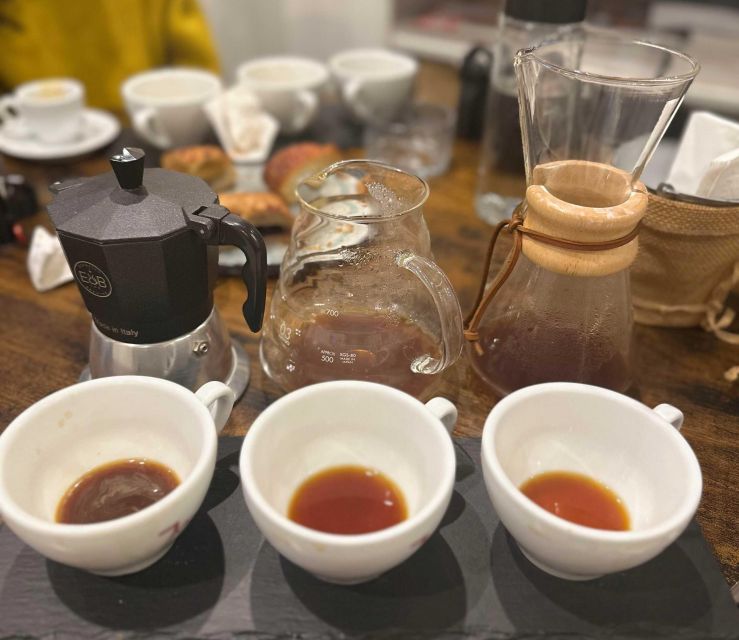
Then you shift to the V60. This is one of those methods you keep hearing about, especially if you have spent any time around baristas or specialty cafes. The workshop’s value is that it connects the method to the taste differences you can actually feel.
You learn how V60 preparation differs from American coffee and filter coffee. That distinction helps you stop lumping everything with coffee in a paper cup into the same category.
In your tasting, the V60 round is where you can start to notice how filter brewing tends to separate flavors more clearly. Instead of only intensity, you may find more defined aromatics and a cleaner cup profile.
If you are the type who drinks lattes or cappuccinos, this is usually the turning point. You start to taste coffee itself, not only what milk does to it. One of the strongest pieces of feedback from people who do not usually drink coffee plain is that this experience changed how they enjoy coffee by itself.
Chemex: aromatic clarity from a brewer you can spot instantly
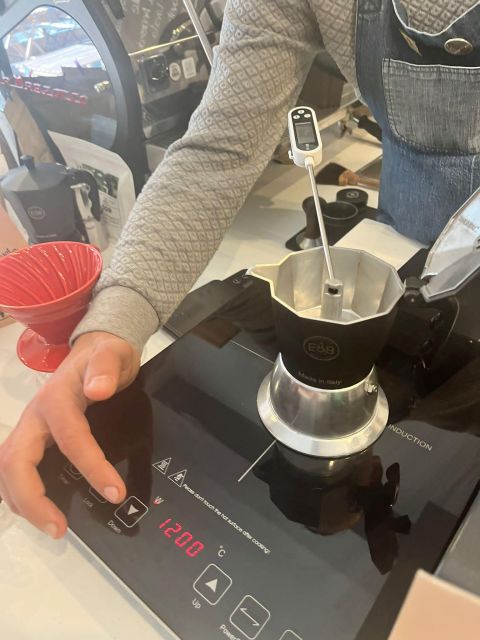
Finally comes Chemex. It looks like the kind of object you would see in a design shop, and that visual identity is part of why it is easy to remember after the tasting.
This brewer tends to create a cup that feels aromatic and clean. In the workshop, that means your last round is a useful finish line. You have already tasted how Moka and V60 treat the coffee differently, so Chemex helps you see the other side of the same coin.
What makes this section worth your time is the compare-and-contrast payoff. After Chemex, you are not wondering which method is best. You are asking which method matches the flavor style you like.
If you love aroma, you will probably find this your favorite or one of your top two. If you like balance and clarity, it is a strong candidate too. If you like very bold and heavy flavors, Moka may still win your heart, but now you will understand why.
Tips for making great coffee at home, with less guesswork
The instructors do more than serve coffee. They explain techniques and give tips you can implement at home.
The workshop covers differences in preparation techniques and how each method affects the final taste. That practical emphasis matters because most people do not fail at coffee because they lack fancy gear. They fail because they use inconsistent approaches.
A simple way to use what you learn:
- Pick the method you like best after the flight
- Use the tasting experience as your reference point for how that method should taste
- Match your goal, for example more aromatic clarity versus deeper traditional richness
Also, the staff teach you in a way that feels friendly and approachable. Names you might hear in the room include Ivone and Federico. The tone stays on a normal level, not a stuck-up lecture vibe. That keeps you comfortable enough to ask questions, and you learn faster.
Dessert and water: the small details that make tasting easier
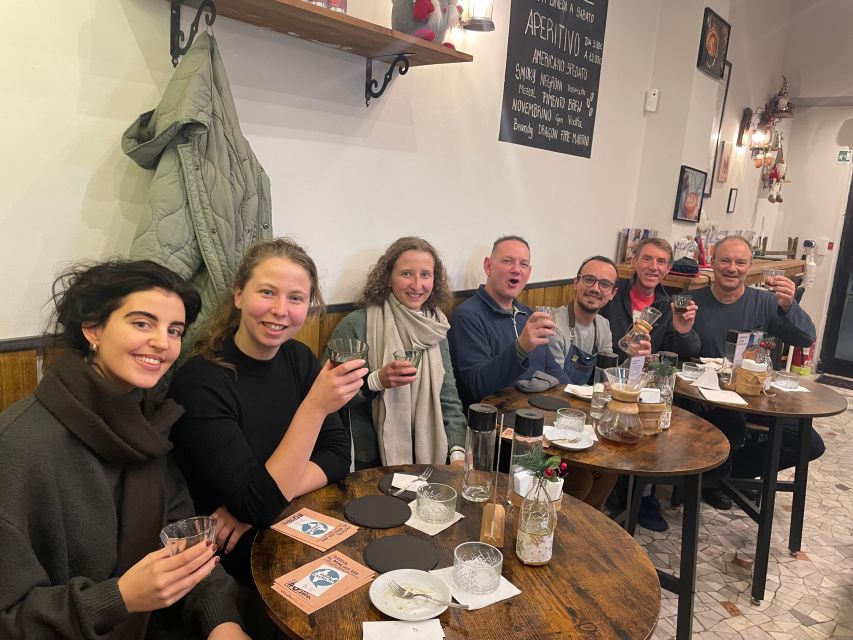
Between tastings, you get water. This is not a minor add-on. It keeps the comparisons fair.
Then, you get sweets or biscuits paired with your flight, including both vegan and gluten free options. You get to choose a dessert of your preference, and there is always a vegan option available.
This matters for two reasons. First, you can enjoy the experience without feeling like you are just burning through cups. Second, dessert and snacks help you keep your focus. Coffee tasting is easy to do badly when you rush. A built-in break helps you stay present.
If you tend to get jittery from caffeine, pace your sips. You will be able to enjoy the differences instead of powering through.
English, Italian, Spanish, and a group size that keeps it personal
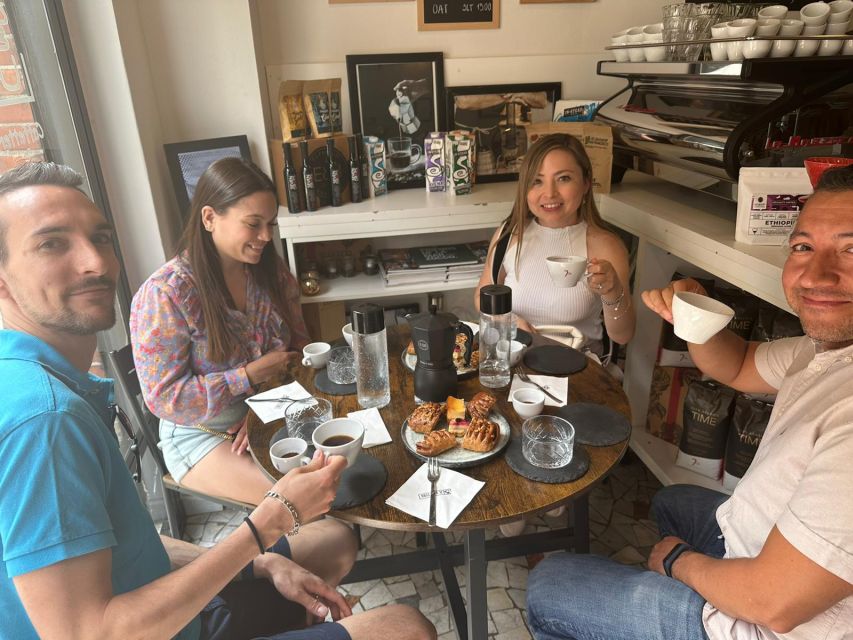
The instructor speaks English, Italian, and Spanish, which is a big deal in a city like Milano where you will meet tourists from everywhere. You should not feel lost if your Italian is rusty.
Small group also means better feedback. When there are only up to 6 participants, the instructor can guide your questions and correct small misunderstandings. That is one reason this experience gets such consistently strong ratings.
In real terms, it is also why the experience feels worth it. You are paying not only for coffee, but for guided attention.
Price and value: is $35 fair for a coffee tasting in Milano?
At $35 for about 2 hours, this is not a budget espresso stop, but it also is not a sky-high, tasting-only splurge. The value comes from three things the workshop does well:
- Three single-origin coffees instead of one generic roast
- Three extraction methods that teach you how taste changes with brewing style
- Technique tips so you can use the learning after you leave
Add in the fact that you get dessert plus water between cups, and you are getting a full experience rather than a quick pour and goodbye.
One more value point: there is a special discount on the coffee beans offered by the provider. If you leave liking a particular origin or method, that discount gives you a direct way to continue at home without starting from zero.
Who this Milano coffee tasting fits best
This is a great fit if you:
- Love coffee and want to taste it without milk getting in the way
- Want a clear comparison between brewing methods like Moka, V60, and Chemex
- Prefer small group learning where you can ask questions
- Like experiences with practical takeaways you can use at home
If you are traveling with friends who think coffee is only about cappuccinos, the workshop can still work. The tasting is structured to help people notice why coffee tastes the way it does. In fact, that shift is something several people highlighted after the experience.
It might be less ideal if you want a hands-off activity where you mainly stroll and snack. This one is sensory and educational, with you tasting as the main event.
Should you book Milano: Degustazione caffè di qualità?
I think you should book it if you want a coffee experience that teaches you something real and leaves you with a better palate and better habits. The strongest selling points for me are the single-origin focus, the three extraction methods, and the approachable guidance from the hosts, including Ivone and Federico.
Skip it only if you are looking for a very casual coffee break with minimal explanation. This workshop rewards curiosity. If you like asking why something tastes the way it does, you will have a good time.
FAQ
How long is the coffee tasting in Milano?
The experience lasts 2 hours.
How much does it cost?
It costs $35 per person.
How many people are in the group?
The group is small, limited to 6 participants.
What languages are the instructors available in?
The instructor speaks English, Italian, and Spanish.
Is there a vegan option for dessert?
Yes. Dessert is included and there is a vegan option.
What is included besides the coffee tastings?
You taste three different single origin coffees, you get water between coffees, sweets or biscuits are included (with vegan and gluten free options), and there is a special discount on coffee beans.
Recently reviewed around Milan
- Milan: The Story of Leonardo da Vinci Private Guided Tour★ 5.0 · 5 reviews
- THE WORLD OF BANKSY. THE IMMERSIVE EXPERIENCE – MILANO VARESINA 204★ 4.5 · 42 reviews
- The Monumental Cemetery of Milan: Discover the Unexpected★ 5.0 · 5 reviews
- Milan: Piazza Gae Aulenti and Pelli Tower Walking Tour★ 4.7 · 3 reviews
- Milan: Bike Tour with Picnic on the turtle lake★ 4.9 · 40 reviews
- Milan: Private or Shared Essential Walking Tour★ 4.7 · 84 reviews
- Milan | In the Crypt of time, holographic tour★ 4.6 · 77 reviews
- Milan: Test Drive a Ferrari 458 on a Race Track with Video★ 4.4 · 52 reviews