
Reviewed · LA SCALA THEATRE TOURS
Milan: La Scala Theatre Skip-the-line Guided Tour
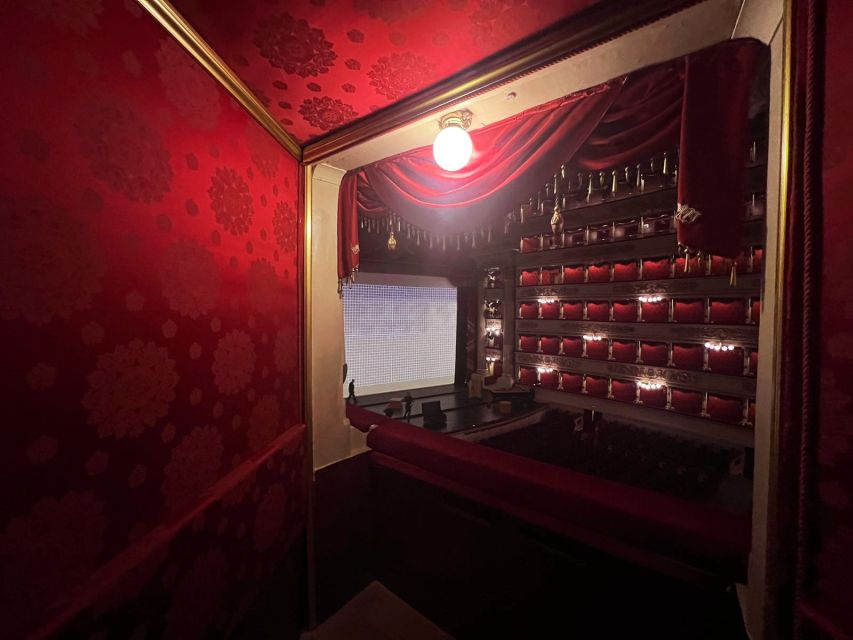
A guided look at Teatro alla Scala is interesting because you get to see how a living opera house thinks, not just how it looks. You’ll start at the Teatro alla Scala Museum and move into the theatre for a tight, story-led visit focused on architecture and musical legacy.
I love that you get headsets when the group is larger, so the guide’s narration stays clear. I also love how the tour connects the building to major names like Verdi, Toscanini, and Barenboim, so the experience feels anchored in Milan’s music world.
My one caution is that the stage may not be visible if rehearsals cause closures, and the tour notes that there are no refunds if the stage cannot be viewed.
Key highlights before you go
- Skip-the-line entry so you lose less time to waiting and more time looking closely
- Expert narration in English or French that turns what you see into clear context
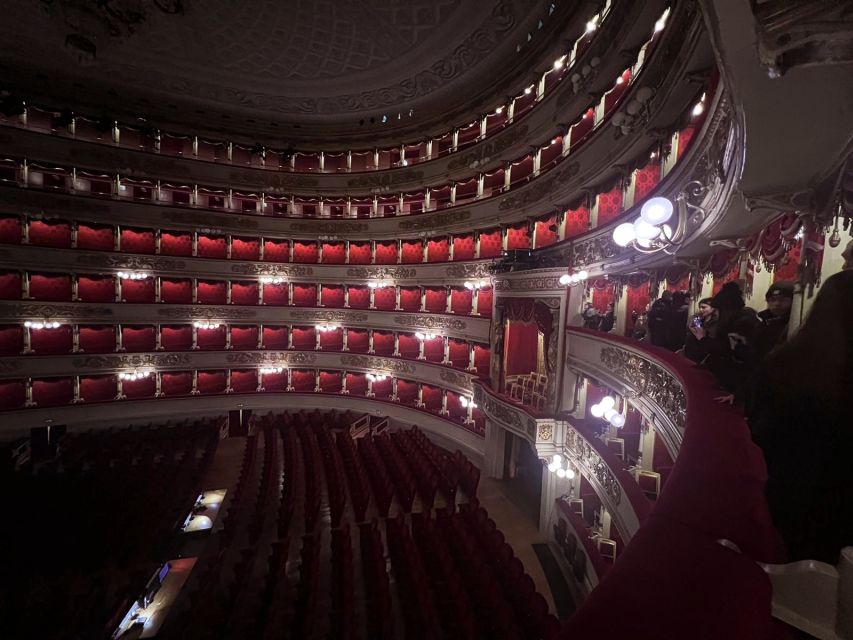
- Neoclassical interior moments like the crystal chandelier and the theatre hall
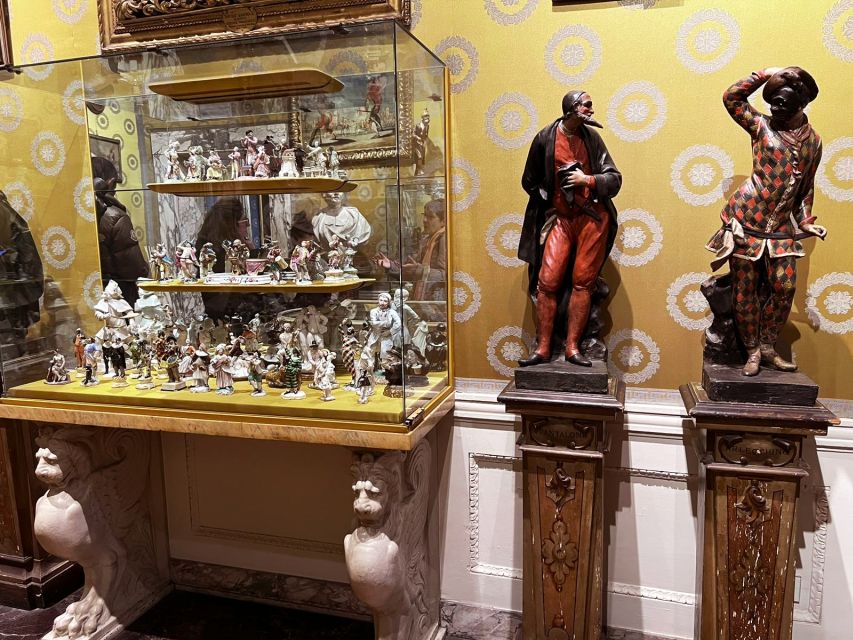
- Museum access for sets, costumes, and instruments that help you visualize opera production
- Headsets provided when the group is more than five people, improving the audio experience
- A possible peek at rehearsals when the schedule allows
Arriving at the Scala Museum: where your time starts
Your tour begins at Teatro alla Scala Museum. The meeting point is Largo Antonio Ghiringhelli, 1, in front of the ticket office. The guide will be holding a sign with the tour name and the provider logo, Wander in Italy.
This start matters because La Scala is one of those places where the first few minutes set the tone. If you walk in without context, you can still enjoy the building, but you might miss the “why” behind the details. A guided start gives you something practical right away: where to look in the theatre hall, what to notice about the design, and how the opera house’s history shapes what you’re seeing today.
Also plan for real-world weather. The tour runs rain or shine. So bring a light rain layer or compact umbrella. You’re mostly moving on foot inside the theatre complex, but being prepared keeps the experience comfortable.
More La Scala visits:
- Milan’s Must See: Half-Day Tour of Last Supper, Duomo & La Scala
★ 4.0 · 4,193 reviews - Milan: La Scala Theater & Museum Guided Experience
★ 4.1 · 2,931 reviews - Milan: La Scala Theater and Museum Tour with Entry Tickets
★ 4.7 · 1,722 reviews
Skip-the-line timing: what you actually gain
This tour is built around skipping the ticket line and using reserved entry. For a 1-hour experience, that time savings is the difference between seeing the theatre with full attention and arriving distracted by crowds.
Expect a fast, guided flow rather than a slow self-guided wandering session. The value here is that your guide controls the pacing: you’ll look at key spaces, then move on before the group loses focus. It’s also a smart way to handle La Scala’s popularity, because you won’t be stuck figuring out where the bottleneck is.
The tour duration is listed as 1 hour. That’s short enough to fit into a busy Milan day, but long enough to get more than “surface viewing.” If you want a quick snapshot, this hits the mark. If you want extra time to linger and take photos from every angle, you may prefer adding time before or after for independent exploring.
The guided walk into the theatre hall
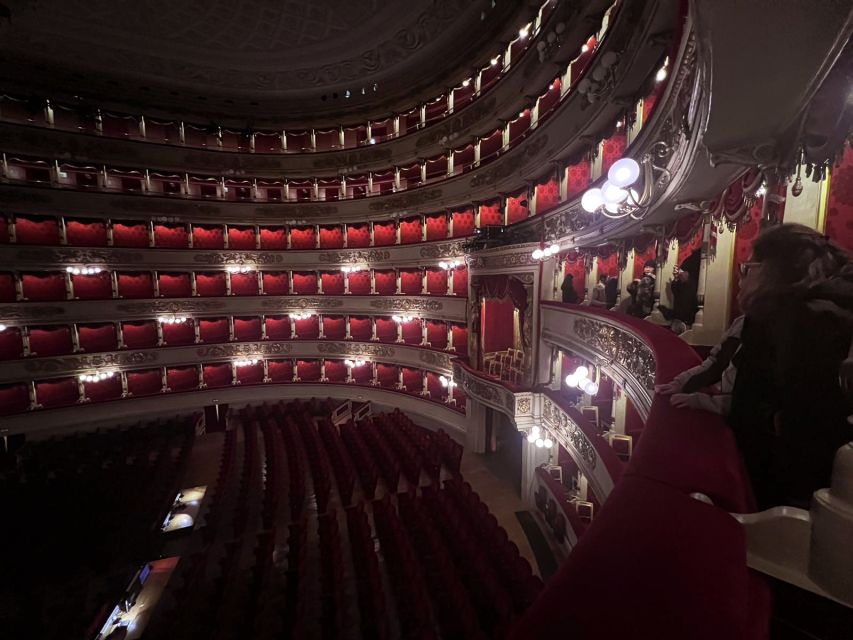
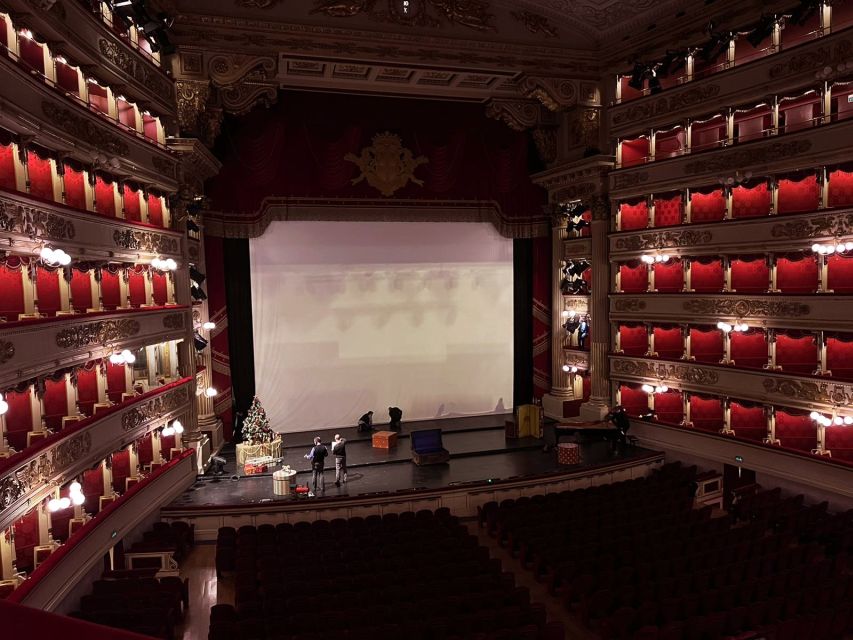
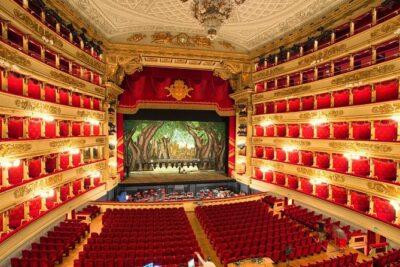
Once inside, your guide leads the visit of the theatre, and this is where the building does its job. La Scala is famous for a neoclassical interior, and the tour experience is about learning what you’re looking at, not just standing there and snapping a picture.
A standout detail mentioned in the tour description is the crystal chandelier. That chandelier is the kind of feature that looks impressive in a photo, but gains meaning when you understand where the theatre’s design intentions show up in the guest experience. Neoclassical design often signals order, proportion, and grandeur, and in an opera house that translates into the sensation of ceremony.
You’ll also hear anecdotes and stories designed to keep you engaged while you move through the space. The tone seems to hit a sweet spot: entertaining without turning it into a trivia lecture. People who want theatre history presented in a human way tend to like this structure.
And yes, there’s a chance the stage might be visible. The notes say you could be able to glimpse rehearsing artists with a bit of luck. That’s one of the reasons I like booking guided tours in opera houses: you’re not just consuming the past. You’re catching a moment of the present if the schedule allows.
What the guide tells you: Verdi to Toscanini to Barenboim
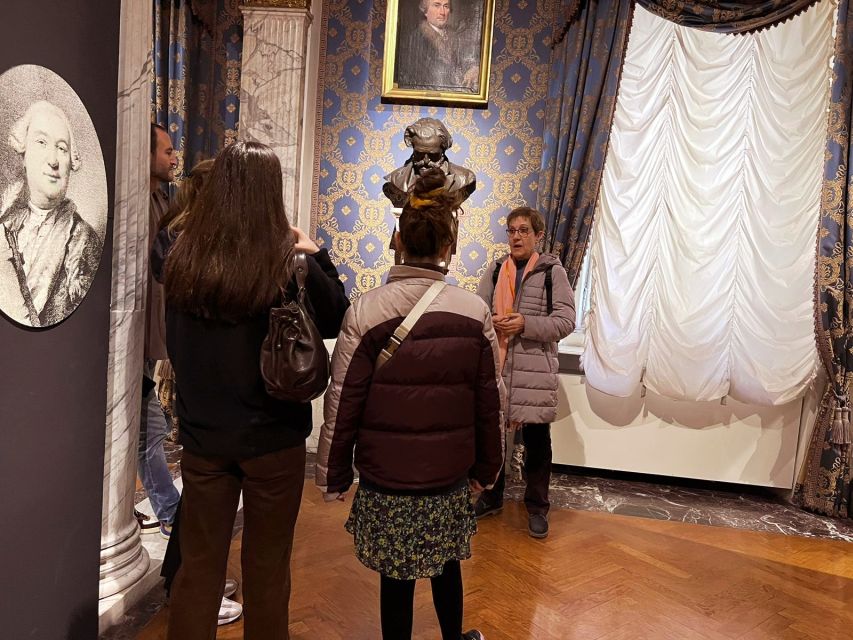
The tour is explicitly focused on history, but it’s not abstract. Your guide takes you back to when La Scala opened in 1778 and explains how the theatre became a beacon for classical music lovers.
Here’s what I think makes this kind of narration useful for you: it gives names and eras a physical place to live. Hearing that the house is tied to masterpieces created by geniuses like Verdi, Toscanini, and Barenboim turns the theatre into a timeline. Instead of just seeing ornate rooms, you can start picturing why performers and composers mattered there, and why Milan built an opera house with such ambition.
The tour description also emphasizes the proud musical heritage Milan is known for and the creativity that’s associated with the city. That’s the point of connecting the theatre to its bigger cultural context. Even if you’re not a “serious opera person,” the stories make it easier to follow the thread of what operahouses were and why they still matter.
Guides named in the experience feedback include Gianluca, Bea, Maria, and Lara. Common themes are clear explanations, strong passion for the art form, and in at least some cases, humor that keeps the pace lively. If you care about learning, this is the right format. If you’re unsure about opera, it still works because the guide is doing the translating for you.
A few more Milan days worth comparing
- Milan Duomo & The Last Supper Skip-the-Line Small Group Tour
★ 4.5 · 2,761 reviews - Historic Milan Tour with Skip-the-Line Last Supper Ticket
★ 4.5 · 1,976 reviews - Milan Super Saver: Skip-the-Line Duomo and Rooftop Guided Tour
★ 4.5 · 1,501 reviews - Milan: Last Supper Skip-the-Line Entry Ticket & Guided Tour
★ 4.8 · 1,451 reviews
The museum stop: sets, costumes, and instruments you can picture
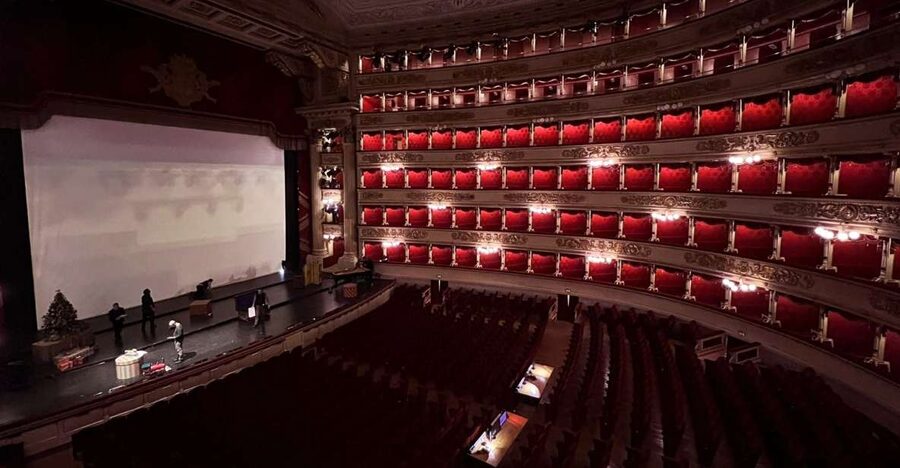
After the theatre portion, you return to the Teatro alla Scala Museum. The museum component is where the tour shifts from big, iconic architecture to the practical craft behind performances.
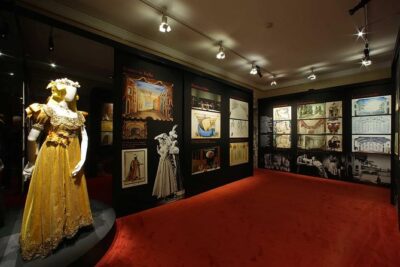
The tour description highlights that La Scala hosts a collection of set designs, costumes, and musical instruments. This matters because opera can feel distant if you only experience it as an end result. Seeing how sets look as objects, how costumes are built, and how instruments relate to performance helps you understand what the stage needs to make the story work.
This is also where you may get a clearer sense of the theatre’s “production brain.” Even if the visit time is limited, the guide can point out what you’d otherwise miss. It’s the difference between walking past display items and recognizing how they connect to the magic you see later in performance.
Some people also mention that the museum stop includes a Maria Callas museum component. If that’s part of your route, it adds another layer of star power and makes the museum feel more personal, because Callas is one of opera’s most instantly recognizable names.
The audio setup: why headsets are a big deal here
If your group is more than five people, headsets are included. That’s a small line item, but it can genuinely change your experience.
Opera houses are echoey. Footsteps and chatter travel. Without a mic, it’s easy to miss half the guide’s stories. With headsets, you can keep your attention on what you’re seeing while still hearing the narrative clearly. That means less squinting at other people’s faces to catch the gist, and more time focused on the actual theatre details.
So if you’re sensitive to crowded audio environments, this is one of the smartest reasons to choose a guided version instead of going it alone.
When rehearsals affect what you see
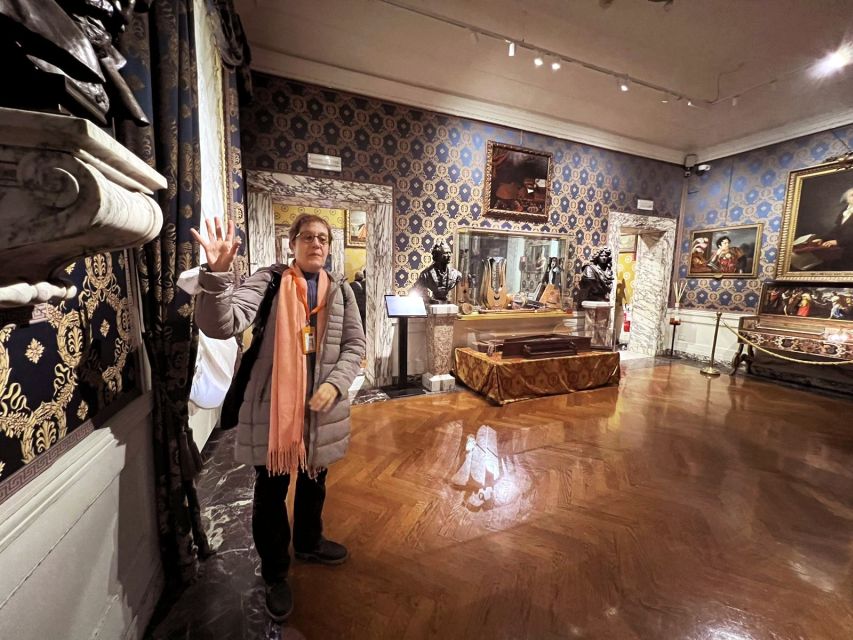
The tour notes an important real-world issue: the stage may not be visible due to rehearsals, and there are no refunds if the stage cannot be viewed.
Here’s how to think about it without stress. Even when you cannot see the stage, you can still get a strong theatre experience because the tour’s core is the building and its story. You’ll still get the architectural highlights like the neoclassical interior and the chandelier. You’ll still hear the history connecting La Scala to major musical figures.
Still, this is worth taking into account if your main goal is stage visibility. If you’re visiting specifically for a “see the stage” moment, consider building in backup time to watch what’s open during your day, so you’re not disappointed if rehearsals change access.
What you should know about pace, photos, and comfort
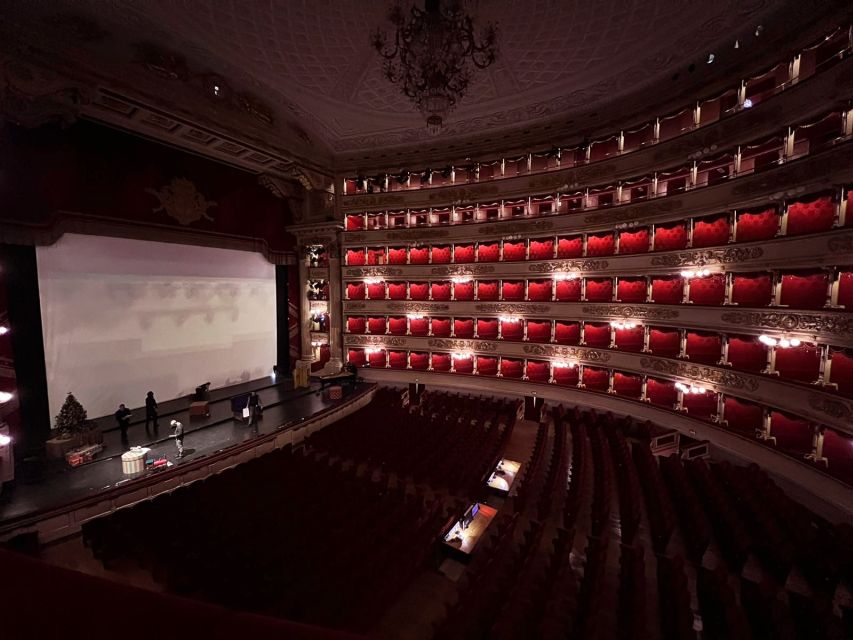
This is a short, guided walk, not a long sit-down tour. You should expect movement through the theatre and museum spaces within a 1-hour time window. That makes it ideal for travellers who like structured visits and want to cover a lot without spending half a day in line or in slow wandering.
Comfort-wise, wear shoes you can stand in. Even if the group moves fairly smoothly, opera houses have stone and polished floors, and you might spend a surprising amount of time looking up. If you’re sensitive to standing, take that seriously before you go.
For photos, the details are not listed, so you’ll have to follow what the guide and staff allow during your visit. The main practical tip is to keep your attention on the guide. The value of this experience is what you learn, not just what you photograph.
One more practical note: the tour says weapons or sharp objects are not allowed. That’s pretty standard for major cultural venues, but it’s good to remember.
Is it worth $44? The value math for this kind of tour
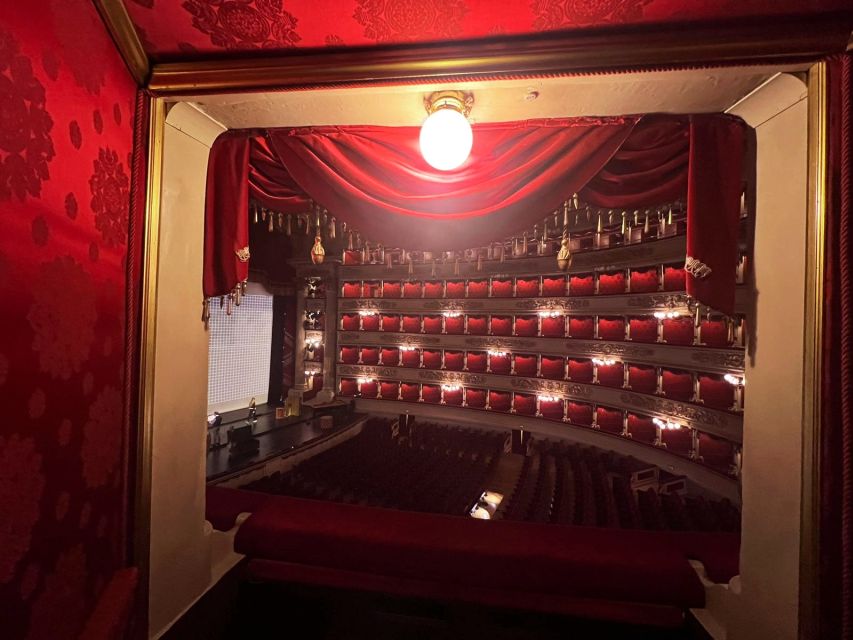
At $44 per person for a 1-hour guided experience, the real value is not just the ticket access. You’re paying for three things:
First, reserved entry and skip-the-line reduces wasted time at a busy landmark.
Second, a professional guide provides context so the theatre becomes more than a pretty room.
Third, the tour includes the museum component, with displays tied to the production side of opera, like sets, costumes, and instruments.
If you were to visit on your own, you might still enjoy the architecture. But you’d likely spend more time figuring out what matters. At this price point, you’re buying interpretation, pacing, and clear storytelling, which is exactly what turns La Scala from a destination into an experience.
It’s also a good fit if you have limited time in Milan and want one high-impact cultural stop. For short trips, $44 can be a smart trade for saving hours and getting real narrative focus.
Who this tour is best for, and who should consider alternatives
This tour is a strong match if you want a guided introduction to one of the most famous opera houses in the world. It’s also good for people who know little about opera but still want the Milan connection explained in a fun, structured way.
You might especially like it if any of these sound like you:
- You want to see the neoclassical interior and understand what you’re seeing
- You like stories that connect the building to composers such as Verdi and Toscanini
- You prefer not to deal with ticket lines and timing puzzles
- You appreciate when guides use humor, keep questions in mind, and maintain interest
The tour is not suitable for people with mobility impairments, according to the tour notes. If mobility is a concern, you’ll need to look for another option that clearly supports your needs.
If the stage visibility is your top priority, also keep the rehearsal possibility in mind. The tour can still be worthwhile, but it’s not a guaranteed stage view.
The decision: should you book La Scala skip-the-line?
I’d book this tour if you want a high-impact, guided introduction to La Scala that combines theatre architecture with museum context in just one hour. The skip-the-line setup and headset option help make the experience smoother, and the guide-focused approach is what makes it feel worth $44 rather than just another entry fee.
I would hesitate only if you have mobility constraints or if seeing the stage itself is the make-or-break goal. In those cases, you might need a different plan that better matches your priorities.
If you want a clear, story-led way to understand why La Scala still matters, this is one of the most sensible bookings you can make in Milan.
Recently reviewed around Milan
- THE WORLD OF BANKSY. THE IMMERSIVE EXPERIENCE – MILANO VARESINA 204★ 4.5 · 42 reviews
- Milan: The Story of Leonardo da Vinci Private Guided Tour★ 5.0 · 5 reviews
- The Monumental Cemetery of Milan: Discover the Unexpected★ 5.0 · 5 reviews
- Milan: Piazza Gae Aulenti and Pelli Tower Walking Tour★ 4.7 · 3 reviews
- Milan: Private or Shared Essential Walking Tour★ 4.7 · 84 reviews
- Milan: Bike Tour with Picnic on the turtle lake★ 4.9 · 40 reviews
- Milan | In the Crypt of time, holographic tour★ 4.6 · 77 reviews
- Milan: Test Drive a Ferrari 458 on a Race Track with Video★ 4.4 · 52 reviews
La Scala Theatre Tours, compared.
Milan’s Must See: Half-Day Tour of Last Supper, Duomo & La Scala
Read our review →
La Scala Theater and Museum Tour with Entry Tickets
Read our review →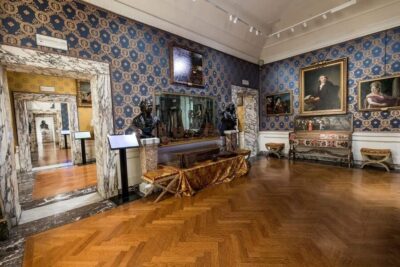
La Scala Theatre and Museum Tour in Milan With Private Guide
Read our review →
Skip-the-Line Duomo & La Scala Museum Tour + Hop On Hop Off
Read our review →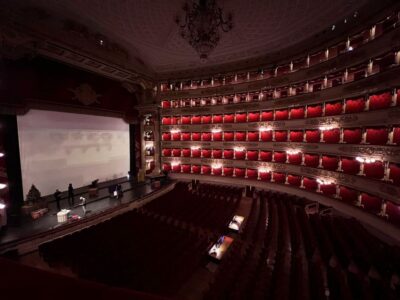
Browse the lists this tour appears in