
Reviewed · LAST SUPPER TICKETS & TOURS
Pinacoteca Ambrosiana and da Vinci’s Codex Atlanticus admission in Milan
Milan has plenty of famous museums, but this one feels more like meeting a person than touring a highlight reel. With Pinacoteca Ambrosiana and the Codex Atlanticus admission, you get a rare look at Leonardo da Vinci’s working ideas, not just finished masterpieces.
I especially like the way this visit stays self-guided, so you can slow down and spend real time on the pages that catch your eye. I also love that the Codex Atlanticus exhibit shows only select sheets, with the display rotated regularly, and your ticket also covers access to the library area for more of the notebook.
One consideration: the Leonardo display you see up front is a selection, so if you’re expecting huge wall-to-wall coverage of da Vinci, you might feel slightly teased by how much remains in the collection rather than on the exhibit tables.
Key things to know before you go
- Duomo-area location: the museum is about a five-minute walk from Piazza Duomo.
- Timed entry, no group pressure: pick a morning or afternoon entry time and explore at your own pace.
- Leonardo in “notes mode”: view pages with sketches and working notes from 1478 to 1519.
- Displayed pages rotate: the sheets on view change over time, so the experience can feel fresh across visits.
- Ticket covers more than da Vinci: you also get the permanent collection, including major masters.
- Plan for a real art museum visit: many people find 1 to 2 hours is a good range, but you can stay longer if you want.
Pinacoteca Ambrosiana entry: location, pacing, and value for $19.96
This ticket is for a straight-up museum entry, with timed access that helps you avoid the worst of the scramble around central Milan. You’re paying $19.96 per person for admission to the Pinacoteca Ambrosiana, and it generally works well as a “one stop” cultural block when you’re already planning Duomo-area time.
The museum is easy to reach. From Piazza Duomo, I’d aim for a roughly five-minute walk, then expect the usual Milan streetscape, not some far-flung outskirts route. That matters because you can fit this into a tight day without burning half your morning on transit.
I also like the pacing. You choose an entry time in the morning or afternoon, but once you’re in, you don’t have to keep up with a group. The recommended stay is about 1.5 hours, and that lines up with how these galleries tend to unfold. If you’re the type who reads labels and stares at details longer than planned, you can stretch it without anyone tapping a watch.
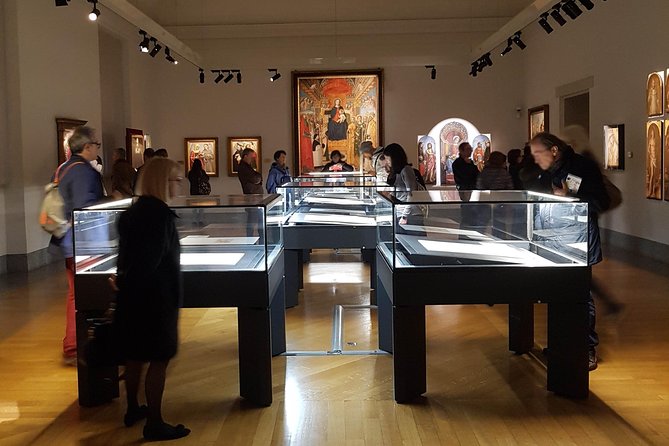
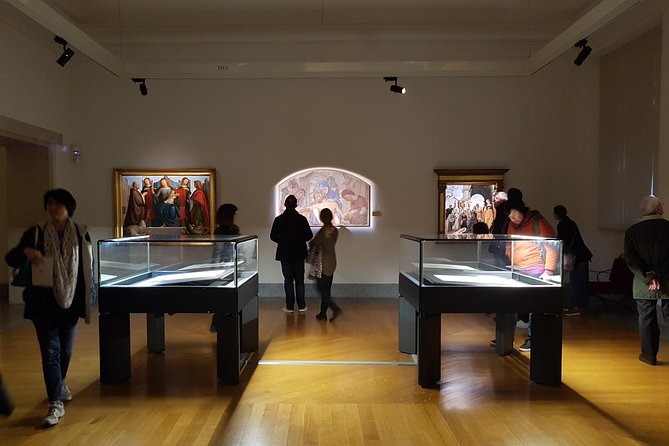
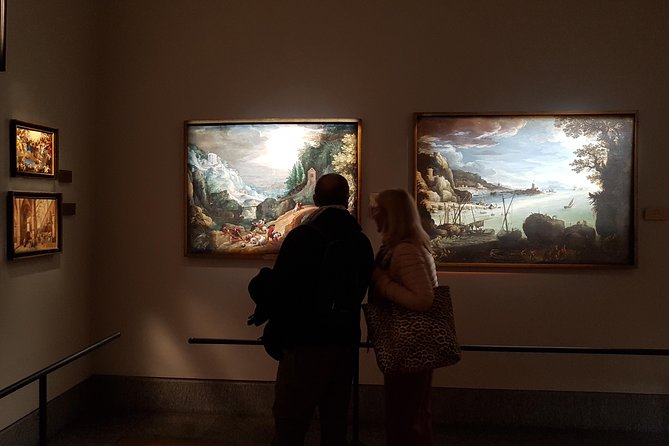
Value-wise, the big reason this ticket feels like a good deal is simple. You’re not just buying access to an exhibit. Your ticket also includes the permanent collection, which means you’re walking away with more than a single “Leonardo moment.” The museum itself gets strong praise for how it looks and how it presents works, with lighting and display choices that make a difference when you’re trying to actually see the art.
More ways to see the Last Supper:
- Milan: Guided Walking Tour & Last Supper Visit with Ticket
★ 4.7 · 5,409 reviews - Milan’s Must See: Half-Day Tour of Last Supper, Duomo & La Scala
★ 4.0 · 4,193 reviews - Milan: Last Supper Guided Visit
★ 4.7 · 2,854 reviews
Leonardo’s Codex Atlanticus: what you’ll see and how the exhibit works
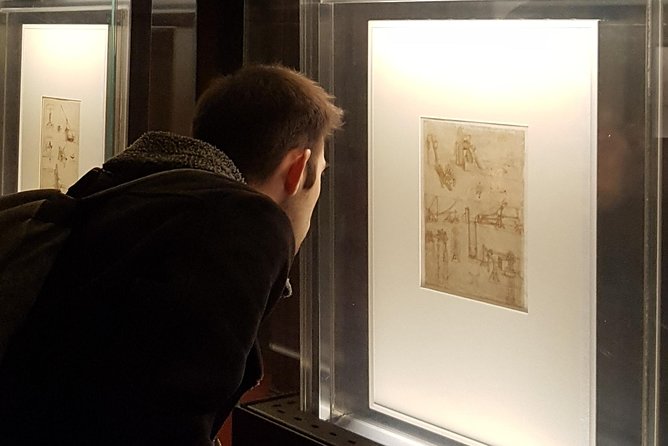
This is the main reason to go. Your entry includes the Codex Atlanticus exhibit, with pages drawn from Leonardo da Vinci’s personal notebook. The pages shown cover a long stretch of his working life, from 1478 to 1519. And yes, this is the version of Leonardo that’s all process: notes, sketches, and the mental scaffolding behind inventions and artwork.
A key detail that can affect your expectations: the entire Codex Atlanticus contains more than 1,000 pages, and it lives in the museum library. The exhibit you see during your visit is a selection, and those display pages are rotated regularly. In practice, that means you’re seeing “the highlights of the moment,” not the full notebook laid out at once.
If you’re worried you’ll miss the good stuff, don’t overthink it. Instead, go in with a slow, observational mindset:
- Pause to compare sketches to the label text, not just the other way around.
- Look for the kind of page where the marks feel like experimentation, not decoration.
- Give the pages time. These are originals, and they reward close attention.
You’ll also likely notice that orientation and flow can take a minute. One practical tip: when you arrive, don’t assume the Codex is immediately obvious. Take a moment to get your bearings inside before rushing. A couple visitors found it tricky at first, so giving yourself that short reset time can prevent frustration.
One more realistic note: several people felt the Leonardo portion is the star, but that there isn’t a massive quantity of da Vinci pages on display in a single sitting. If you want the maximum possible amount of Leonardo, lean into the museum’s longer visit option and plan to spend time in the library area, where more of the notebook collection lives.
The rest of the museum: Renaissance and beyond, not just da Vinci
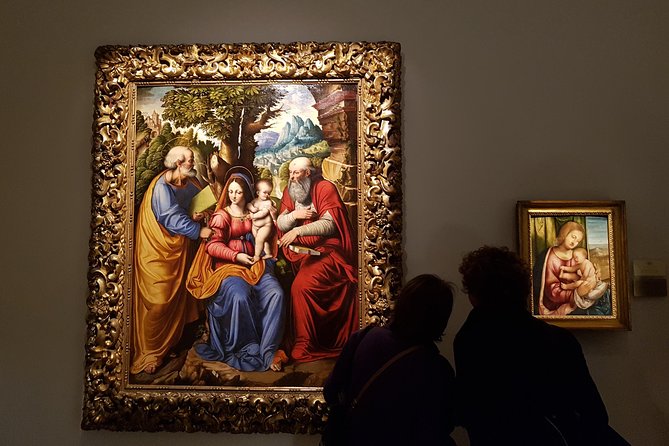
Even if Leonardo is your headline act, this museum earns its place because the permanent collection is genuinely strong. Once you move from the Codex spaces into the galleries, you’ll be looking at works by major names across the Renaissance and Italian art traditions.
The pieces you can expect to encounter include works such as:
- Botticelli’s Madonna del Padiglione
- Titian’s Adoration of the Magi
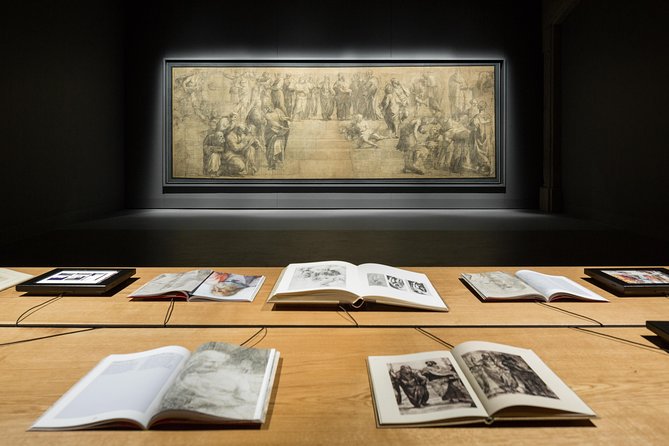
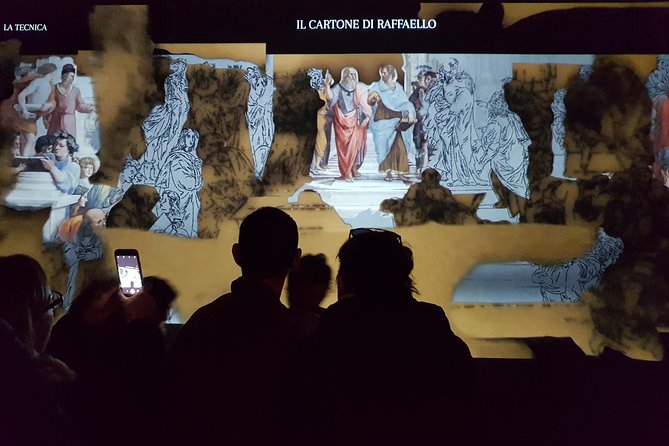
- Raphael’s Cartoon for the School of Athens
- Caravaggio’s Basket of Fruit
This is where the visit becomes more than an intellectual “wow.” It becomes a comparison game. Seeing Leonardo’s working mind in one area, then walking into rooms with Raphael, Titian, Botticelli, and Caravaggio, helps you notice how different artists approach design, emotion, and craft. You also start to see why the museum’s display style gets praised. The lighting and framing choices matter because they keep your eyes from bouncing around the room without meaning.
Another thing I like is the feel of the museum. A number of people describe it as quieter than the headline museums, especially when visiting early in the morning. That’s not a promise, but it’s a helpful strategy. If you want your art to breathe, an earlier entry can work in your favor.
The building and the library: why the museum spaces matter

This museum is not only about what’s on the walls. The spaces that hold the collections are part of the experience, and that’s repeatedly called out in people’s impressions.
The library, in particular, gets singled out as an architectural highlight. One review compared the moment of entering the library to a dramatic storybook setting, and that kind of reaction tells you something important. This isn’t just a room with manuscripts. It’s a space designed to make the act of looking feel special.
If you enjoy “museum theater” where rooms and display cases guide your attention, you’ll probably appreciate the way the collection is paced. The museum layout can feel like a guided journey, even though you’re not stuck with a group.
There are also interesting side details that show up in the experience, depending on what’s on view. For example, one visitor called out a curiosity connected to Lucrezia Borgia, and another mentioned Dante’s writings as an extra bonus. You should treat these as welcome extras, not the core plan, because what matters most is giving yourself enough time to follow the galleries and take in the main display areas.
And if you’re a reader, not just a looker, you’ll likely enjoy the English explanations in the exhibits. Some people specifically praised the presentation for making the experience feel like a story, not a list of names.
A different kind of day out of Milan:
- Milan: Cathedral and Duomo’s Terraces Entrance Ticket
★ 4.6 · 61,054 reviews - Milan: City Sightseeing Hop-On Hop-Off Bus with Audio Guide
★ 4.0 · 6,256 reviews - Milan: Milan Cathedral Direct Entrance – Terrace Excluded
★ 4.5 · 5,782 reviews - Milan: Navigli Canal Boat Cruise
★ 3.3 · 4,502 reviews
Audio guidance and language reality: what to plan if you want help
An audio guide is not automatically included. You can purchase one separately for about 3 EUR, and that’s worth factoring into your budget if you like guided context.
Here’s the language reality check. One person specifically noted that the audio content was all in Italian, and suggested buying the audio accompanier because it wasn’t in English. That’s a big deal if you don’t read Italian. On the other hand, other visitors praised audio quality and storytelling. So the “right” choice for you depends on which version is available when you go and how you prefer to learn.
My practical advice: before you start, decide how you want to experience the museum.
- If you read museum labels well enough, you might get by without audio.
- If you want a narrated thread, plan for the audio guide and confirm the language options at the time you get it.
Some visitors also recommended an iPad self-guided option as a great way to match the museum to your time. If that option is available on your visit, it can be a smart way to keep your pace flexible while still getting interpretive context.
Where this fits in your Milan day, and what not to mix up
This admission is an easy add-on for central Milan because the museum sits near Piazza Duomo. That means you can pair it with other sights in the same general area without losing hours to logistics.
I also like that the visit is self-guided. You can treat it like a calm, air-conditioned cultural reset after walking around. Or you can make it your main museum block and build the rest of the day around it.
One important clarification: this ticket does not include entrance to The Last Supper. If you’re hoping to check that off too, plan it separately. Keeping those two plans distinct helps you avoid disappointment and lets you pace your day without feeling rushed.
If you’re traveling with family, this can work well because you’re not locked into a fast tour rhythm. Still, children must be accompanied by an adult, which is just the standard rule of the house.
Who should book this ticket, and who might want a different plan
Book this if:
- You want original Leonardo material, not just “inspired by” replicas.
- You like museums where art and presentation are both part of the experience.
- You can handle reading labels for some portion of the visit, or you’re willing to use audio.
You might want to think twice if:
- You’re expecting a massive amount of da Vinci pages on display all at once.
- You strongly prefer English-only guidance and you’re unsure about what’s available when you arrive.
- You only want a quick hit and hate museum pacing, because even the short route tends to reward at least 1.5 hours.
Should you book Pinacoteca Ambrosiana and Codex Atlanticus admission?
I think it’s a strong booking choice for many first-time visitors to Milan, especially if you’re curious about how Renaissance geniuses work on paper. For $19.96, you’re getting timed entry plus access to the Codex Atlanticus exhibit and the museum’s permanent collection, not just a single room.
My “go” recommendation is strongest if you can do a morning or afternoon entry and still give yourself time to wander calmly. The Leonardo pages are a genuine highlight, and the surrounding collection plus the museum’s display style make it feel like a complete art experience, not a one-minute detour.
If you want the maximum Leonardo, plan on lingering and make use of the areas connected to the notebook, since the exhibit selection rotates and the full collection is housed in the library.
FAQ
What does my admission ticket include?
Your admission ticket grants entry to the Pinacoteca Ambrosiana and includes access to the Codex Atlanticus exhibit plus the museum’s permanent collection.
How long should I plan to spend at Pinacoteca Ambrosiana?
A recommended visit time is about 1.5 hours, with typical visits running about 1 to 2 hours. You can stay longer if you want to slow down.
Is Leonardo’s Codex Atlanticus on display all year with every page?
No. Only select pages are displayed in the exhibit, and those pages are rotated regularly. The notebook has more than 1,000 pages and resides in the museum’s library.
Does this ticket include The Last Supper?
No. Entrance to The Last Supper is not included with this admission.
Is an audio guide included, and what language is it in?
An audio guide is not included in the ticket. It’s available for about 3 EUR. One review noted the audio was in Italian, so it’s smart to check language options when you purchase or pick it up.
What if I cancel?
Free cancellation is available up to 24 hours before the experience’s start time for a full refund.
Recently reviewed around Milan
- Milan: The Story of Leonardo da Vinci Private Guided Tour★ 5.0 · 5 reviews
- THE WORLD OF BANKSY. THE IMMERSIVE EXPERIENCE – MILANO VARESINA 204★ 4.5 · 42 reviews
- The Monumental Cemetery of Milan: Discover the Unexpected★ 5.0 · 5 reviews
- Milan: Piazza Gae Aulenti and Pelli Tower Walking Tour★ 4.7 · 3 reviews
- Milan: Private or Shared Essential Walking Tour★ 4.7 · 84 reviews
- Milan: Bike Tour with Picnic on the turtle lake★ 4.9 · 40 reviews
- Milan | In the Crypt of time, holographic tour★ 4.6 · 77 reviews
- Milan: Test Drive a Ferrari 458 on a Race Track with Video★ 4.4 · 52 reviews
Last Supper Tickets & Tours, compared.

Guided Walking Tour & Last Supper Visit with Ticket
Read our review →
Milan’s Must See: Half-Day Tour of Last Supper, Duomo & La Scala
Read our review →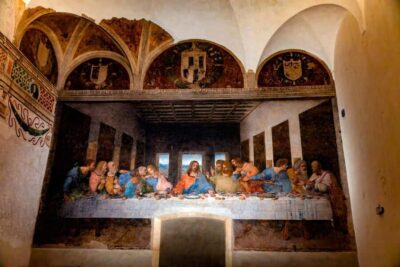
Milan Duomo & The Last Supper Skip-the-Line Small Group Tour
Read our review →
Historic Milan Tour with Skip-the-Line Last Supper Ticket
Read our review →

Best of Milan Experience Including Da Vinci’s The Last Supper and Milan Duomo
Read our review →
Last Supper Skip-the-Line Entry Ticket & Guided Tour
Read our review →Browse the lists this tour appears in