
Reviewed · MILAN
Chocolate Experience at La Fabbrica del Cioccolato in Milan
This experience is interesting because it turns a Milan city visit into a full bean-to-bar chocolate process lesson, starting from cocoa origins and ending with a guided tasting. The factory is in central Milan, just minutes from Piazza del Duomo, so you can fit it neatly into a sightseeing day.
I particularly love the step-by-step flow from cocoa bean to finished chocolate, with explanations delivered by Enrico Rizzi’s team. I also like the tasting part, where you get a clear sense of what changes in quality and flavor across different grand cru bars, with help from staff like Fulvio, who focuses on explaining every stage.
One possible drawback is that the format is tightly timed, about 60 minutes, and it runs as an English tour at set times. If you want a long, slow hangout in the shop or you prefer tours in another language, this schedule may feel a little restrictive.
Key highlights at a glance
- Bean-to-bar workshop in central Milan: from cocoa processing to finished bars, close to Duomo
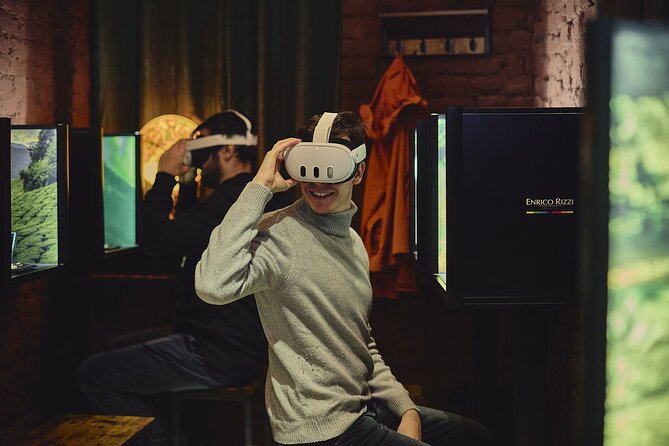
- VR 360 cacao farm experience: you view harvesting, fermentation, and drying from a Peruvian plantation
- Small groups (max 8): enough time for questions without feeling rushed
- Roasting room and chocoteca: learn how heat, aging, and flavor infusions shape the final chocolate
- Laboratory focus: shell separation and slow stone grinding are part of the walkthrough
- Guided tasting of 3 to 5 grand cru chocolates: plus mono-origin chocolate tasting included
La Fabbrica del Cioccolato by Duomo: why this Milan stop feels different
Milan has no shortage of chocolate boutiques, but La Fabbrica del Cioccolato (Enrico Rizzi Milano) does something smarter. Instead of treating chocolate as a product only, it treats chocolate as a process, from roasting to grinding to tasting. That change alone makes it worth slotting into your itinerary, especially if you like food that has a story you can actually follow.
The location also helps. Being near Piazza del Duomo means you are not fighting cross-town logistics to get to a specialized workshop. You can do it as either a main plan or a focused add-on between other central sights.
Finally, the tour keeps its head above water with a tight group size, max 8. That matters because the experience is technical, and you want time for small questions and for explanations to land.
Other Milan trips worth an open tab:
- Milan: Cathedral and Duomo’s Terraces Entrance Ticket
★ 4.6 · 61,054 reviews - Milan: City Sightseeing Hop-On Hop-Off Bus with Audio Guide
★ 4.0 · 6,256 reviews - Milan: Milan Cathedral Direct Entrance – Terrace Excluded
★ 4.5 · 5,782 reviews
The 60-minute itinerary, from VR cacao visuals to grand cru tasting
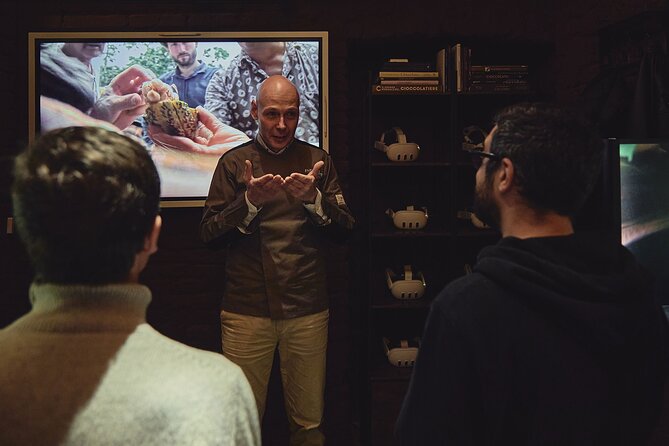
The tour runs for about 1 hour and it is paced like a guided walk through the full chocolate making sequence. It starts in a sensory room with Virtual Reality 360 visuals of a Peruvian cacao plantation, then moves through real processing areas, ending with chocolate tasting.
You will see the workflow in logical order, roasting first, then chocolate resting in the chocoteca, and finally the lab stage where the bean is prepared for grinding. The pacing keeps you from getting lost in details, because each room connects directly to the next stage and then to what you will taste at the end.
The finale is the part most people remember: a guided tasting of 3 to 5 grand cru chocolates, with the exact selection depending on the ticket type you pick. Along the way, you also get a mono-origin chocolate tasting included with your experience.
VR 360 cacao farm room: what the visuals teach you
The opening room uses VR 360 technology to show you a Peruvian cacao plantation and the early steps that lead to the beans you will eventually taste in chocolate. You are not just looking at a video, you are being walked through the journey, including harvesting, fermentation, and drying.
Why this matters, even if you think you already know chocolate basics, is that cocoa origin is not a marketing line. Fermentation and drying influence aroma and flavor development, so when you later smell and taste roasted beans and finished bars, you have a mental map for what you are noticing.
If you are sensitive to sensory tech or prefer low-tech experiences, consider this as a note. The VR is part of the start of the visit, so it is not something you can skip without missing the beginning flow. For most people, though, it is a quick way to get oriented before the factory stops start getting technical.
Roasting room: the smell-and-heat moment
Next comes the roasting room, where the tour shifts from visuals to the real-world transformation of cocoa. Roasting is where a lot of the deep chocolate flavor gets shaped, and it is the step that often feels invisible if you only eat chocolate bars.
Here, you get to connect what you saw earlier with what your senses pick up now. In fact, one of the most common reactions people describe is the intense cocoa scent in the process area, which is a great reminder that flavor starts with smell long before you get to the tasting.
A practical way to enjoy this part is to pay attention to how the guide links the process to taste. When you hear the why behind roasting, the tasting at the end is easier to understand because you are not just memorizing steps.
A different kind of day out of Milan:
- Milan: Guided Walking Tour & Last Supper Visit with Ticket
★ 4.7 · 5,409 reviews - Milan: Navigli Canal Boat Cruise
★ 3.3 · 4,502 reviews - Milan: Serravalle Designer Outlet Roundtrip Bus Transfer
★ 4.4 · 4,374 reviews - Milan’s Must See: Half-Day Tour of Last Supper, Duomo & La Scala
★ 4.0 · 4,193 reviews
The chocoteca: climate-controlled resting with flavor add-ins
Then you move into the chocoteca, a climate-controlled space where chocolate rests and matures. This is where the tour adds a level many chocolate experiences skip: it explains that aging, temperature, and time can change how chocolate develops, and it can also include spices, teas, and infusions depending on what you are sampling.
This room is valuable because it reframes chocolate as something that is not finished the moment it becomes a bar. The resting stage is part of how flavor becomes stable and layered. Even if you do not know the words for the flavor chemistry, the tour helps you understand it as a real step, not a vague aging claim.
If you like structured food learning, you will appreciate the way the chocoteca stage is tied to the tasting selection. You can walk in without knowing much, but you should leave with a clearer idea of why two chocolates can look similar and taste completely different.
Laboratory walkthrough: shell separation and slow stone grinding
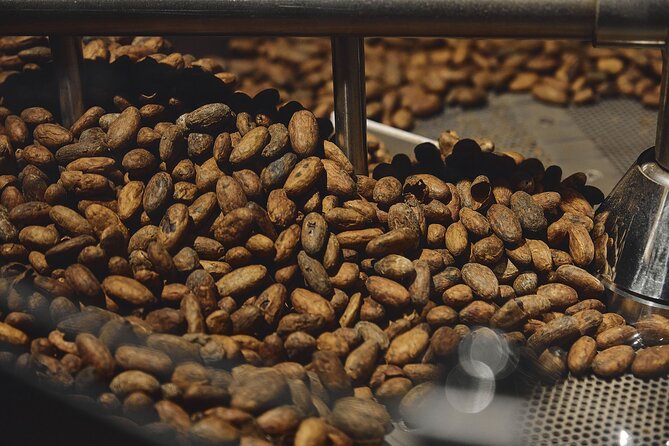
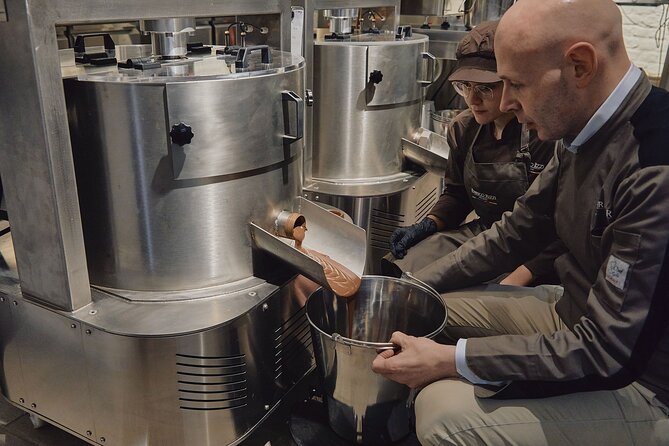
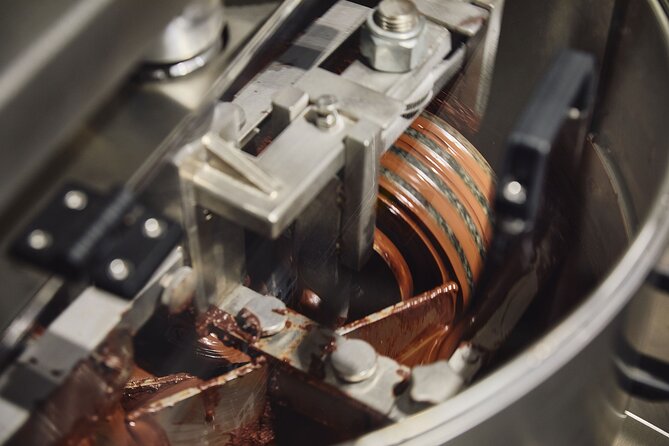
The last major processing stop is the laboratory area. This is where you watch the bean transformation in practical terms, including shell separation and slow stone grinding.
This section is especially good for anyone who gets curious about why some chocolate tastes more textured or more complex. Stone grinding is a slow approach, and the tour uses it to explain how the bean moves from raw form to the finished chocolate texture you recognize in a bar.
You do not need to be a food scientist to get something from this part. The key is that the lab stage gives you concrete visuals of the steps that are usually hidden in factory production. Once you understand what is happening, your tasting becomes more thoughtful and less random.
Guided tasting of 3 to 5 grand cru bars
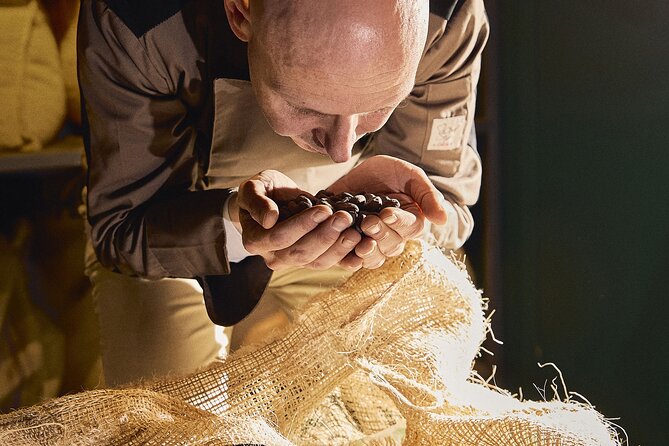
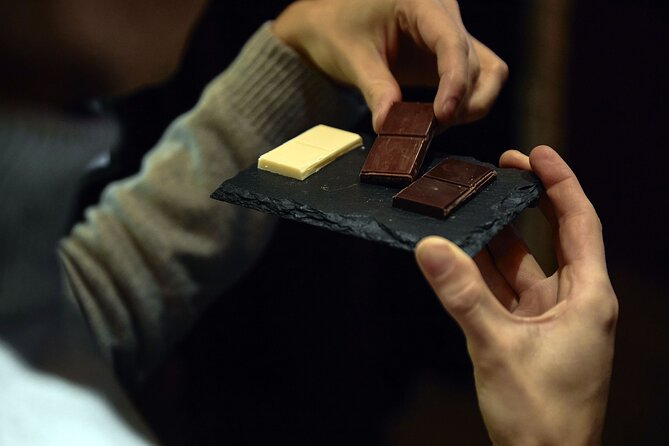
The tour closes with a guided tasting of grand cru chocolates, typically 3 to 5 bars, with the exact set depending on your ticket. This is the point where you learn to taste with structure, not just sweetness.
You will taste different chocolates with guidance from the team, so you are not left guessing which flavors are intentional and which are just your own preferences. One of the best signs this experience works is how often people describe the tasting as world-class and clearly explained.
Some tasting options can also include pairings such as a glass of sherry or chocolates combined with different rums, based on the style of the tasting you get. If that sounds up your alley, it is worth paying attention to the ticket details when you book, since the tasting format can change.
My suggestion: slow down during the tasting. Take a moment to smell first, then taste and let it sit on your tongue for a second. When your brain is given time, you pick up more than just chocolate flavor, you start noticing the differences the factory described earlier.
Price and value: is $36.01 worth it in Milan?
At $36.01 per person, this tour is not the cheapest “chocolate in a shop” option. But it is also not priced like a long, multi-hour tour. So the real question is what you get per minute and per explanation.
You get a full hour that includes:
- A real factory walkthrough through key production stages
- VR 360 visuals of cacao origins
- A guided tasting, with 3 to 5 grand cru chocolates
- An included mono-origin chocolate tasting snack
Also, the small group size, max 8, helps justify the price. You are not standing in a crowd while someone talks at you. You have a higher chance of getting your question answered, especially around process details.
If you love chocolate and want to learn how it is made in a real bean-to-bar workflow, this price can feel like a fair deal. If you only want a quick sugar hit with zero education, you might feel the cost more sharply, because you are paying for the process, not just a few bites.
Times and pacing: best days to catch the English tour
The English tour times are set, so planning matters. You can usually pick from:
- Monday, Wednesday, Thursday, Friday at 4 PM
- Saturday at 12 PM
The tour lasts about 60 minutes and the activity ends back at the meeting point. Since it is near public transportation and centrally located, you can line it up with your Duomo area plans rather than treating it like a separate trip across town.
I would book with a little margin. It is listed as something people often plan ahead for, with an average booking window of about 22 days, so popular slots can disappear.
Who the guides are and what their explanations feel like
This workshop is led by Enrico Rizzi’s team, and the experience leans into the human side of food craft. Guides focus on explaining each stage with care, including the processing steps that connect to what you taste at the end.
One staff member people call out is Fulvio, described as kind and available for explanations during the stages of processing. That “talking you through it” style is a big reason the experience lands well, especially for first-timers who do not know the vocabulary.
If you like learning without being lectured, this is a good fit. You get guided instruction that stays tied to what you are seeing and tasting in the moment.
Practical tips for making the most of your chocolate factory hour
To get the best out of the hour, treat it like a guided sensory walk rather than a souvenir stop. Arrive a few minutes early so you are not rushing when the VR room begins.
Also, think about what you want from the tour. If you are curious about how cocoa changes from bean to bar, you will like the roasting, chocoteca resting, and lab sequence. If you mainly want a tasting, you will still get plenty of food, but your satisfaction will come from paying attention to the guided tasting structure.
Finally, since tastings are a core part of the experience, plan your day so you are not immediately switching into something that ruins the flavors you just learned. A slow follow-up coffee or gelato in the same area is fine, but give your taste buds some time to reset.
Should you book La Fabbrica del Cioccolato in Milan?
Book it if you want a bean-to-bar factory tour that actually teaches you the steps behind the chocolate, not just sells you chocolate. You will especially enjoy it if you like structured tastings, small group attention (max 8), and the production sequence that runs from cacao origin visuals to lab processing and then grand cru bars.
Skip or switch plans if you only want a casual, self-guided chocolate stop, or if you cannot make the fixed English tour times. The VR start is also a factor, since it happens right at the beginning of the experience.
If your ideal Milan moment includes learning something real while still tasting a lot, this is a strong choice near Duomo.
Recently reviewed around Milan
- Milan Wine Tasting Experience★ 4.7 · 60 reviews
- From Milan: Villa del Balbianello and Varenna by Train★ 4.2 · 27 reviews
- Visit of Verona and Lake Garda. Full day tour from Milan★ 4.6 · 5 reviews
- Trekking in the Wood with picnic on the turtles lake★ 5.0 · 9 reviews
- taxi / transfer service to and from airports★ 5.0 · 51 reviews
- Explore History and Style with this Walking Tour in Milano★ 5.0 · 15 reviews
- Trekking in the Wood with picnic on the turtles lake★ 5.0 · 8 reviews
- Wine Tasting Experience in Milan City Center★ 4.5 · 32 reviews