
Reviewed · MILAN
Como Area: Pizza Training Experience
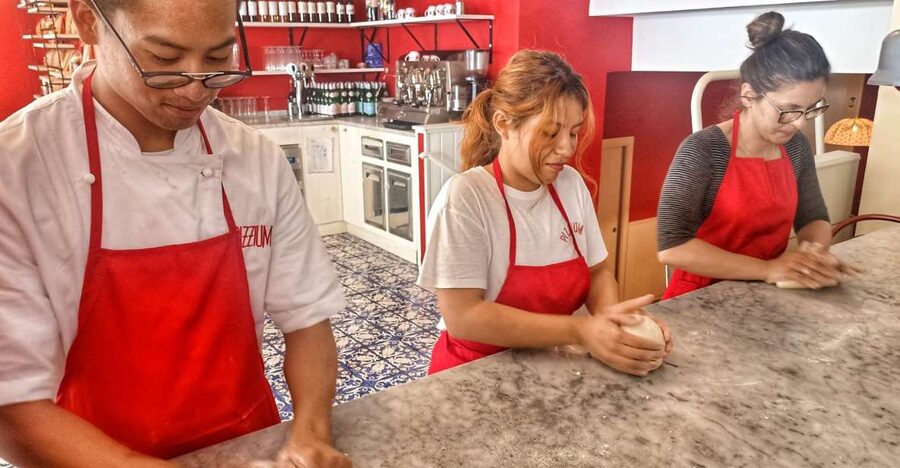
Pizza class in Como is interesting because it is practical food education, not a lecture. In just 2 hours, you make a traditional pizza guided by a pro, then you sit down with the people you cooked with. I love that this is a small group limited to 10, so you actually get hands-on attention. I also love the payoff, the family-style lunch or dinner of the pizza you prepared.
One thing to keep in mind: this experience is not suitable for people with gluten intolerance. So if you are dealing with gluten, you will need to choose a different type of class or a restaurant experience that can clearly meet your needs. Also, it runs rain or shine, so dress for real weather and keep your clothes comfy.
Key things that make this Como pizza class worth your time
- Hands-on training with a professional baker, so you are not just watching
- Small group size (10 max) for more direct coaching
- English and Italian instruction, with support when you ask questions
- You learn the ingredients, not only the steps
- Family-style lunch or dinner with the pizza you made
- Simple, practical tips for home pizza, so you can repeat it later
Como Pizza Training in Lombardy: the skills you bring home
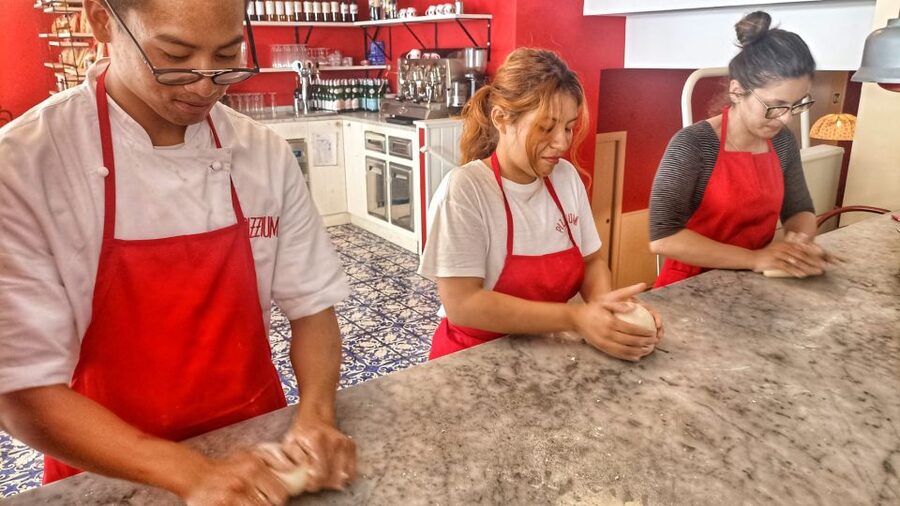
This is the kind of class that clicks quickly. Pizza can feel mysterious when you watch it from afar, but once you are holding the dough and shaping it, you understand what matters: technique, ingredient quality, and heat. In Lombardy, you are also in the heart of Italy where regional cooking culture is very much alive, not just something you hear about.
In a short session like this, the goal is not to turn you into a full-time pizzaiolo. The goal is to help you stop guessing. You learn how to select good, high-quality ingredients, you learn the products behind the pizza, and you get a feel for how the process works from start to finish.
You will also hear some history about pizza, in a way that makes the technique make sense. When you understand where pizza fits in Italian food culture, you cook with more confidence. You are also less likely to rely on shortcuts at home, because you have already seen what changes the final result.
Other Como trips worth an open tab:
- Lake Como: Shared Boat Tour with Prosecco Aperitif
★ 4.6 · 1,452 reviews - Como: Lake Como Shared Boat Tour
★ 4.5 · 804 reviews - Lake Como: Villa del Balbianello Gardens with Ferry Tickets
★ 4.2 · 206 reviews
Meeting Chef Francesco and Daniele at Slow Lake Como
The tone of the class matters, and the best part is how friendly it feels. People cook better when they feel relaxed, and the vibe here is exactly that. In one recent experience I used as a guide for what to expect, Chef Francesco and Daniele from Slow Lake Como were called out specifically, and the praise was not vague. It focused on the fact that the time was genuinely fun, and the pizza was the highlight.
Because the instruction is available in English and Italian, you should be able to follow along without stress. And with only up to 10 participants, you are not lost in a crowd. You can ask questions while you are working, not after everything is finished.
Also, you are taught by a professional pizzaiolo, which means you learn the logic of the process. This is not just style. It is about why certain choices lead to better texture, flavor, and bake.
From dough to toppings: what you learn beyond the basics
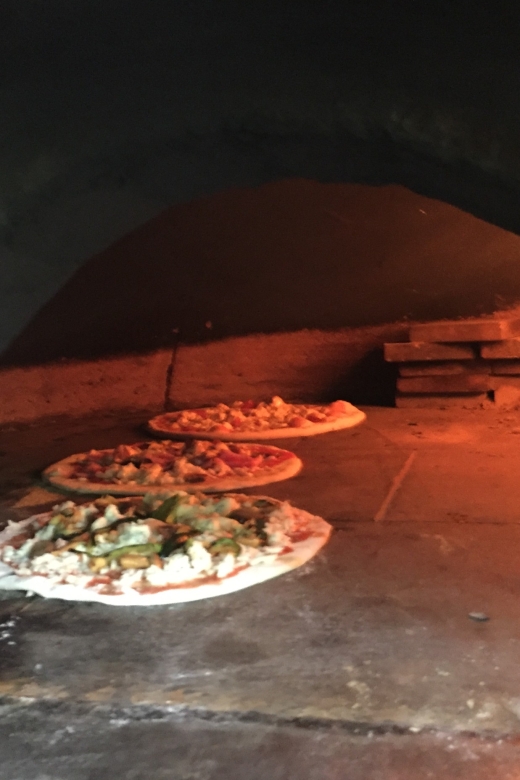
You start with the foundation, the stuff that decides whether your pizza is enjoyable or just edible. You will learn how to prepare and cook a traditional Italian pizza, and you will get guidance that connects technique to ingredients.
Here are the main skill areas you can expect to work on:
Ingredient selection, not just shopping lists. One of the big values of this class is that you learn how to pick healthier and higher-quality ingredients. It is not only about taste, it is about understanding what you are putting in your oven.
Using locally sourced products. The class uses ingredients sourced from local producers for your session. That matters because it gives you a more realistic idea of what good ingredients taste like and why Italians pay attention to source and season.
Tips and tricks for home pizza. The class specifically highlights practical guidance you can use at home. That typically means learning which habits make a difference, like how you handle the dough and how you build the pizza so it bakes the way you want.
A bit of pizza history that supports the cooking. You also get a little background about pizza. I like this approach because it prevents the class from feeling like a purely technical workshop. You get context, then you apply it.
Even though the class is short, this is the kind of structure that sticks. Most cooking classes teach what to do. This one also nudges you toward why you are doing it.
Cooking your pizza: heat, timing, and avoiding common mistakes
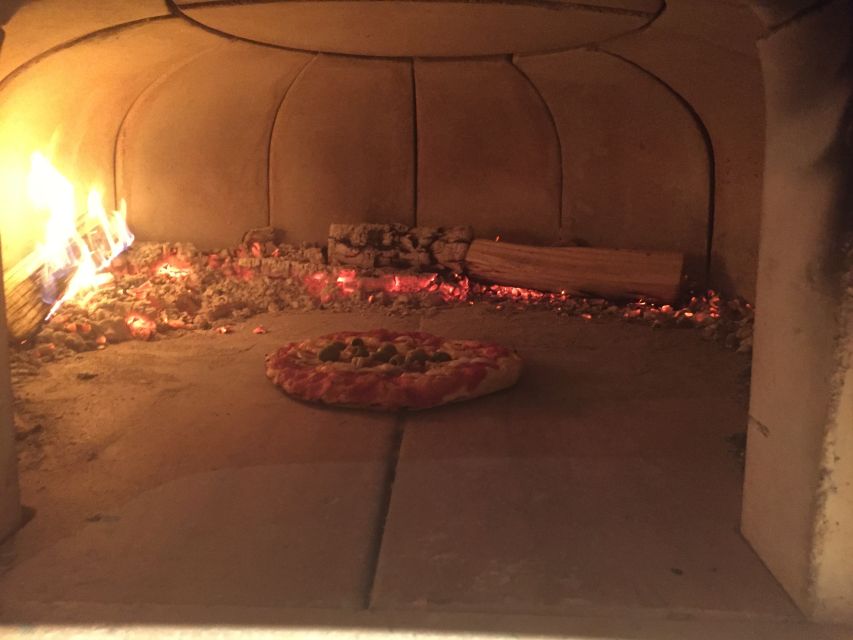
Pizza making at home often fails for predictable reasons: oven temperature is too low, dough is mishandled, or toppings get added in a way that throws off the bake. Here, you are coached in how to cook the traditional pizza style. That gives you a baseline you can reference later.
While the exact oven setup is not spelled out in the details, you will be cooking a pizza as part of the experience, not just assembling it. That means you learn the reality of cooking, including how the pizza responds during baking.
This is where you will benefit most from being in a small group. If something goes sideways, you can adjust instead of starting over. You also learn what to watch for, because the instructor is guiding you as you work.
Practical takeaway for you: when you recreate this at home, focus on the variables that the class helps you control, dough handling, ingredient choices, and topping strategy. Then think about your oven as your biggest tool, not an afterthought. If you only change one thing at home, change your heat approach first.
A different kind of day out of Milan:
- Lake Como: 3-Hour Boat Rental
★ 4.6 · 185 reviews - Lake Como: Shared Group or Private Boat Tour
★ 4.5 · 174 reviews - Como Lake: 1h boat rental without license and self-driving
★ 4.8 · 152 reviews - Lake Como: eBike Tour with Live Guide, eHelmet, and iPad
★ 4.8 · 134 reviews
The family-style lunch or dinner: eating your own work
One of the nicest parts is that your cooking does not end when you set the pizza down. You sit down for a family-style lunch or dinner with your fellow pizza makers. That is a big deal for two reasons.
First, it turns the class into a shared meal rather than a one-time activity. You get to talk while food is actually on the table, and you can compare what each person did and how it turned out. That helps you spot patterns like which topping choices made the bake better or where technique shows up in flavor.
Second, it makes you slow down. When you cook at home, you are often multitasking. Here, you can enjoy the results of your own effort, which is exactly what makes it memorable.
In the praise I saw, the food got the kind of compliment that matters most. People described it as the most delicious pizza, and the time as the best, with nice people in the group. That lines up with what a family-style setup usually does well: you leave full and happy, not just armed with notes.
Tips to get the most out of your Como pizza class
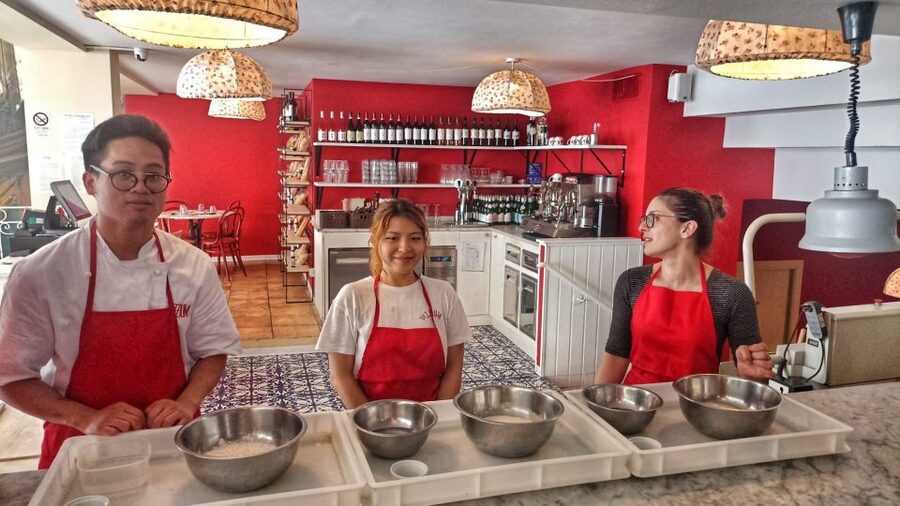
This is hands-on, so set yourself up for comfort and success.
Wear comfortable clothes. You might be standing, moving around, and handling dough. Comfortable layers help, especially since the activity runs rain or shine.
Plan to ask questions while you cook. With a small group and a professional instructor, it is worth using the moment. If you are wondering how to replicate a step at home, ask right then.
Focus on the ingredient lesson. It is easy to remember the action and forget the source. Pay attention to what you are using and why it is considered high quality. That will make your home pizza more Italian and less random.
Take cues from your pizza’s final texture. The best coaching in pizza is sensory. Notice how the crust looks and feels, then connect it to what you did during shaping and topping.
If gluten affects you, skip this one. The class is not suitable for gluten intolerance, so do not plan around hidden assumptions. Look for an alternative that clearly meets your needs.
These tips keep you from treating the class like a souvenir. You want it to change your at-home pizza game.
Who this experience suits best (and who should think twice)
This Como pizza training experience is a great fit if you want to learn a core Italian skill in a friendly environment. It is ideal for people who enjoy cooking, want hands-on guidance, and like the idea of ending with a meal that is truly yours.
It also works well if you value small groups. With up to 10 participants, you are more likely to get real feedback, not just generic instructions.
It is less ideal if:
- You need a gluten-free option, since it is not suitable for gluten intolerance.
- You want a long, in-depth culinary course. Two hours is focused and energetic, but it is not a multi-day apprenticeship.
- You are hoping for a sightseeing-heavy day. This experience is about the cooking, not a tour of multiple attractions.
Price and value: what makes it feel like a good deal
There is no single price number here to quote, but you can still judge value based on what is included. You are paying for time with a master pizzaiolo, hands-on pizza making, instruction in English and Italian, ingredient guidance, and then you eat the pizza you made as a family-style meal.
That combination changes the math. A lot of food activities are either show-and-taste, or class-only with no meal payoff. Here, the meal is part of the training experience. It is also social, which usually adds to the enjoyment and memory.
You also get something that most casual cooking at home never gives you: a clear sense of ingredient quality and what to look for. That is the sort of knowledge that lasts longer than the meal.
If you are the type of traveler who wants real skills, not just photos, this one tends to land well.
Should you book this Como pizza making class?
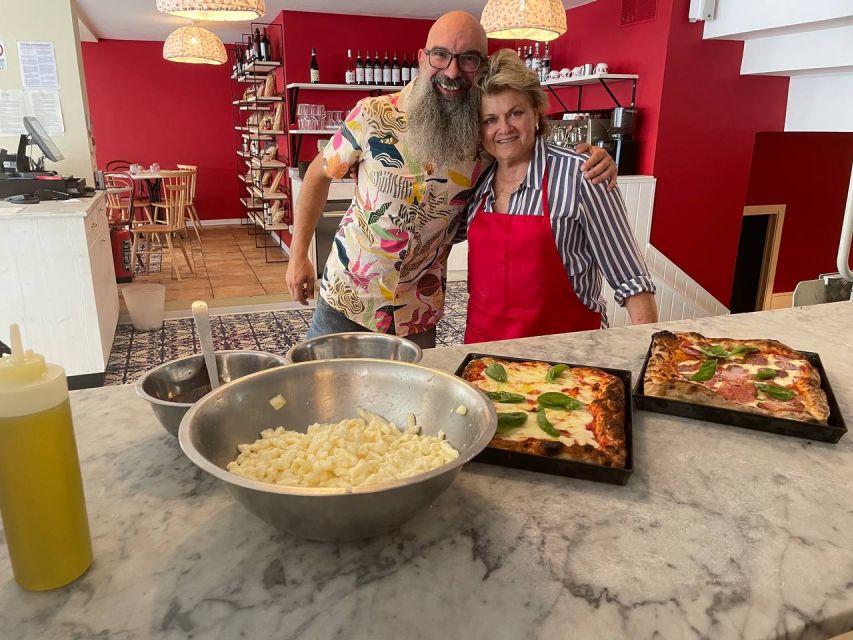
I think you should book it if you want an authentic, hands-on introduction to Italian pizza and you like learning by doing. The small group format, the chance to work with a professional pizzaiolo, and the fact that you eat what you make are a strong combo for a short stay in Como.
I would pass if gluten intolerance is part of your needs, because this experience is not suitable for that. I would also choose it knowingly if you want a cooking-focused evening or lunch, not a sightseeing tour.
If you take one mindset with you, make it this: treat the class like a recipe plus coaching session. Ask questions, notice what works, and then plan to recreate it soon after you get home while the details are fresh.
Recently reviewed around Como
- Lake Como: Self-Guided Walking Tour – Downtown Como★ 2.4 · 8 reviews
- Como: Private Photoshoot with Post-Editing★ 4.9 · 8 reviews
- Lake Como: Villa Carlotta and Villa Melzi with Ferries★ 3.8 · 4 reviews
- Lake Como: Shared or Private 3 Hours Boat Tour with Aperitif★ 4.4 · 5 reviews
- Lake Como: Shared or Private 2 Hours Boat Tour with Aperitif★ 4.1 · 9 reviews
- Como: Lake Como Private Guided Boat Tour★ 5.0 · 36 reviews
- Lake Como: Self-Drive Boat Rental★ 4.2 · 25 reviews
- Lake Como Rent: 1-Hour Boat Rent Without License★ 4.4 · 14 reviews