
Reviewed · FRANCIACORTA WINE TOURS
3 Italian sparkling wines and how to distinguish them: Prosecco, Franciacorta..
This experience is interesting because it turns Italian bubbles into something you can actually read. In about two hours near Piazza Fontana, you’ll learn how three different production styles create three different textures, aromas, and price points, with Prosecco and Franciacorta as key examples.
I love how hands-on it is, and how quickly you start tasting like a pro instead of just drinking. I also like the way the guide, Cornelia, keeps it friendly and asks-and-answer friendly, so you can be a beginner without feeling lost. One possible drawback is that it is mainly a wine tasting session, so if you’re looking for a food-and-tour combo, you’ll want to plan dinner after.
Key Takeaways Before You Go

- Three methods, one direct comparison: you’ll taste styles made with different processes so the differences click fast.
- Dosage and perlage explained in plain language so you can interpret sweetness and bubble texture.
- Cornelia’s teaching style blends passion with down-to-earth answers, including beginner questions.
- A Milan view while you taste: the location is part of the experience, not an afterthought.
- Great for solo travelers and small groups since the format is intimate and flexible.
Milan Bubble Basics: Piazza Fontana Start, 5:00 pm, Two Hours
You start at Piazza Fontana (20122 Milano), a good central point for getting your bearings fast. The tour begins at 5:00 pm and runs about two hours, which is a sweet spot. You get enough time to taste three wines properly, pause for learning, and still have your evening free for aperitivo or dinner.
This is also a private tour/activity, so you’re not sharing the table with strangers. That matters more than you might think with wine tastings. Fewer people means the guide can slow down when you ask what dosage is doing, or why one sparkling wine feels lighter on the palate.
The price is $112.38 per person, which sounds like a lot until you think about what’s included: guided explanation of three production methods, tasting time, and the chance to learn practical vocabulary you can use later at any wine bar. In other words, you’re not just buying glasses, you’re buying pattern recognition.
Quick reality check: the tour is offered in English, and the service is focused on alcohol tasting. If you’re under Italy’s legal drinking age (18), you won’t be served alcoholic beverages, so you may want to double-check how the experience adapts for you.
More Franciacorta wine tours:
- Lake Iseo & Franciacorta Winery. Scenic & Wine Tasting tour
★ 5.0 · 44 reviews - Bergamo and Franciacorta with lunch and cellar visit
★ 4.0 · 11 reviews - Milan: Brescia & Franciacorta with Wine Tasting Small Group
★ 4.2 · 6 reviews
How to Distinguish Prosecco, Franciacorta, and the Ancestral Style
The whole point here is to stop treating all sparkling wine like it’s one category. You’ll be comparing three Italian styles linked to three different production methods, with guided terms that help you tell what you’re tasting.
Here’s the simplest way to think about it as you taste:
- Perlage is the bubble character, like the size of the bubbles and how long the mousse keeps going.
- Dosage is the amount of added wine or sugar solution after fermentation, which nudges the sweetness and balance.
- Charmat method (also called Martinotti in many conversations) is often associated with fresher, fruit-forward profiles and a different bubble feel.
- Classic method is tied to the traditional approach used for more structured sparkling wines.
In the tasting, Prosecco becomes your reference point for the Martinotti/Charmat style of producing bubbles in a tank or pressure vessel rather than fully in bottle. Franciacorta stands in for the traditional method, where the second fermentation happens in bottle and the wine develops complexity over time. The third wine is made in an ancestral style, where you’ll notice a different, often lighter and less uniform fizz.
If you remember nothing else, remember this: bubbles are not just decoration. Production method shapes texture, aroma, and the way sweetness shows up at the end of the sip.
The First Part of the Tasting: Terms You’ll Use All Night
Before you get deep into the wines, you’ll get the language that makes the tasting make sense. This is where Cornelia’s approach really helps. She doesn’t just name things, she links them to what you can smell and feel in your glass.
You’ll hear key terms like dosage, perlage, Charmat method, and classic method. The value is that you’ll be able to recreate the thinking later. For example, when a wine tastes dry but still feels softly rounded, dosage may be part of that story. When a sparkling wine has persistent fine bubbles, that’s often pointing you toward traditional method production.
This is also where the experience becomes practical. You’ll likely be doing short tastings and quick comparisons instead of one long, confusing lecture. And because reviews highlight that you can ask beginner questions, you can slow the process down and get answers in the moment rather than later.
One more tip: don’t overthink your first sip. It’s normal if the wine feels subtle at first. With sparkling wine, the texture and aroma often “arrive” after a breath or two. If you take notes, keep them simple: bubble feel, aroma category (citrus, apple, floral, bread-like), and final sweetness impression.
Prosecco and the Charmat (Martinotti) Method: Fresh Fruit and Easier Drinking
When the tasting turns to Prosecco, think “clean and lively.” The Martinotti or Charmat method is built for efficiency and freshness, which often shows up in the glass as fruit-forward aromas and a more immediate, lighter texture.
In practical terms, you can expect:
- A brighter, fruit-leaning aroma profile (often apple, pear, white peach, or citrus notes)
- Bubbles that can feel more lively and less layered than traditional method wines
- A style that often tastes great with no prep, no aging required
Now, let’s connect that to quality and price, because this is one of the big lessons. The production technique affects what the wine can focus on. Tank-based secondary fermentation tends to highlight freshness and primary fruit, which usually means you’re paying for pleasant drinking now. Traditional method wines, by contrast, often cost more because of time and labor spent in bottle.
This doesn’t mean Charmat sparkling wine is “less.” It means it’s aiming at a different job. If you like crisp aperitivo energy, Prosecco-style sparkling wines can be a smart, value-friendly choice.
Quick self-check while you taste: does the wine feel like it’s giving you fruit first, then fading quickly into dryness? That pattern often lines up with the Charmat style. If you want a more detailed comparison, focus on perlage. In many comparisons, you’ll notice traditional method sparkling wines often feel finer and more persistent, while Charmat styles can feel more immediate.
More wine tastings around Milan:
- Milan: Pasta and Tiramisu Cooking Class with Wine
★ 4.8 · 1,106 reviews - Gnocchi, Pasta, Tiramisù and Wine Class
★ 5.0 · 691 reviews - Small-Group Barolo Wine Tasting, Alba & UNESCO Piedmont Hills
★ 5.0 · 689 reviews - Milan: Pasta and Tiramisu Small Group Cooking Class with Wine
★ 5.0 · 660 reviews
Franciacorta and the Traditional Method: Fine Bubbles and Structure
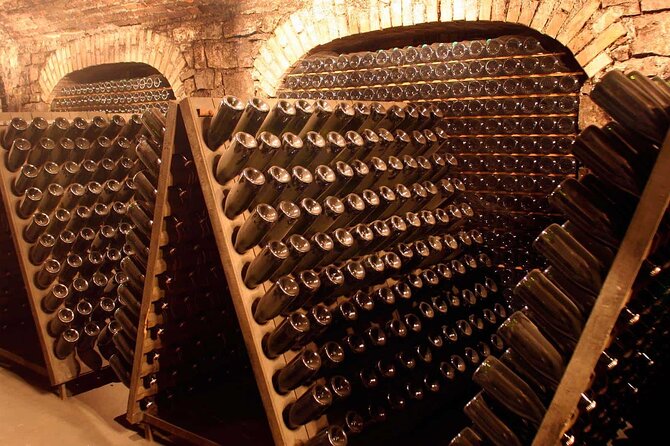
Then comes Franciacorta, which typically anchors the lesson on the classic method. With traditional method production, the second fermentation happens in bottle. That extra step changes how the bubbles behave and how the wine develops texture and depth.
What I’d watch for as you taste:
- Perlage that feels finer or more “thread-like,” often with a longer-lived mousse
- A fuller mid-palate, sometimes with hints of bread, nut, or subtle baked aromas (even when the wine stays dry)
- More complexity that can reward slow sipping
This is where you’ll start to understand why some sparkling wines cost more. Traditional method isn’t just a label. It is more time, more handling, and more opportunity for the wine to build structure. That structure often shows up as a wine that feels “sophisticated” even before you memorize a single grape or producer detail.
Cornelia’s teaching style is especially useful here, because it links the technique to what you should feel. The goal is not to memorize. The goal is to taste with purpose. When you notice bubbles that feel more delicate and a finish that tastes a bit more layered, you’ll know you’re probably tasting the classic method effect.
Also, don’t ignore dosage during this part. Even in structured wines, dosage plays a role in the final balance. If the wine feels dry but never harsh, dosage might be helping it land smoothly.
The Ancestral Style Taste: When Bubbles Behave Differently
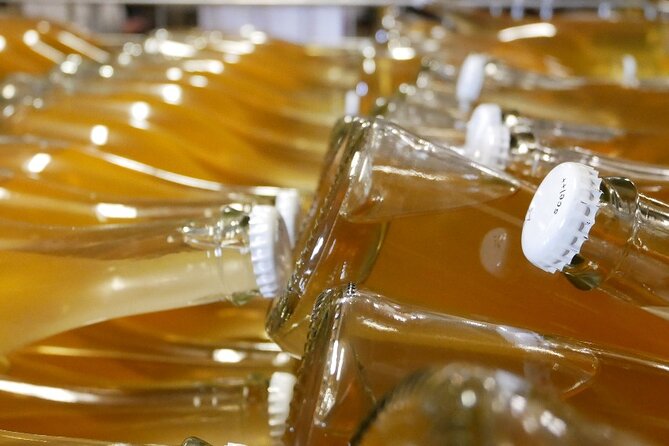
The third wine in the set is made in an ancestral style, and this is often the most surprising part of the tasting. Ancestral sparkling wines are not about the same ultra-clean, consistent bubble profile you might associate with more modern styles. Instead, they can show a different kind of fizz and a more rustic, sometimes softer impression.
Here’s how I’d approach it so you enjoy it rather than compare it unfairly:
- Treat it as a different bubble philosophy, not a “fault.”
- Pay attention to texture first, aroma second.
- Notice whether the mousse feels less persistent or less uniform.
Because the tour ties this taste back to the method, you’ll likely learn how this style’s production choices shape the way it feels in the mouth. Even if you don’t leave with a perfect technical description, you can leave with a strong sensory one: it tastes and feels distinct from both Charmat (Prosecco-style) and traditional method (Franciacorta-style).
It’s also a reminder that Italian sparkling wine is not one trend. It’s a spectrum. And that spectrum is exactly what makes this kind of tasting worth doing.
How Dosage, Perlage, and Method Affect Quality and Price
This is the section that makes the tour feel more than just three pleasant sips. You walk away with a framework for understanding why one sparkling wine costs what it costs.
Production method affects:
- Bubble texture (perlage): fine and persistent versus more lively and immediate.
- Aroma emphasis: primary fruit versus developed complexity.
- Balance (dosage): how the wine lands from sweetness to dryness.
And dosage is where many people get confused at first. It doesn’t automatically mean “sweet.” Instead, it can round edges, lift aromas, or affect the final perception of dryness. When you know dosage exists as a lever, you stop thinking every dry wine must taste identical.
Quality and price also make more sense with this mental model. Traditional method sparkling wines often cost more because they require longer time in bottle and more careful work to manage the fermentation and development. Charmat-style wines often focus on freshness and early enjoyment, which can mean a better value if you want something crisp for aperitivo.
If you plan to buy sparkling wine later, this tour helps you buy with confidence. You’ll be less likely to pay extra just for a big-name bottle, and more likely to match the method to your mood.
The Milan Factor: Great Views While You Learn to Taste
One of the nicest surprises from the experience is the setting. Reviews highlight that the views from the location are amazing, and you get that sense of a real Milan moment while you learn. It helps that the tour is scheduled for 5:00 pm. The light is often better for enjoying your surroundings, and the pacing feels right for an early evening tasting.
That combination matters. When you’re sitting somewhere pleasant with a view, the learning sticks better. You’re not rushed. You can pause, taste again, and connect the new vocabulary to a real sensory moment.
Also, the tour format works well whether you’re solo or with friends or a couple. Reviews mention doing it solo and finding it easy to engage with the guide. That tracks with the private group feel. You can ask questions without worrying about taking up time.
Who This Tour Is Best For (And Who Might Skip It)
This tour is a strong fit if:
- You love bubbles and want more than the usual quick tasting.
- You like learning practical wine vocabulary that you can actually use in shops and wine bars.
- You’re visiting Milan soon and want a focused, memorable first activity.
It’s also a great pick if you’re tired of standard wine tastings that only talk about regions and grapes. Here, the conversation is about methods, texture, and why the wine costs what it costs.
I’d consider skipping if:
- You want a tour built around food pairing, a long walking itinerary, or major sightseeing.
- You only want a casual sip without any structure or vocabulary.
That said, even if you’re a beginner, the guide’s style is designed for questions. You’re not expected to already know the lingo.
Should You Book This Sparkling Wine Methods Tasting in Milan?
If you like Prosecco, you’ll probably enjoy this for the upgrade in understanding. And if you’ve never tried Franciacorta, this is one of the cleanest ways to see why it earns its reputation. The best part is the direct comparison, you taste three approaches and learn how to translate the jargon into real sensations.
Book it if you want value that goes beyond glasses. For $112.38 per person, you’re paying for guided method education plus tasting time, in a private, English-friendly setup with Cornelia as the host. You’ll leave with a mental checklist for future sparkling wine purchases.
Skip it if you want a full-day adventure. This is a focused two-hour class with a great view, not a marathon tour.
FAQ
What is the duration of the experience?
It lasts about 2 hours.
Where does the tour start?
The meeting point is Piazza Fontana, 20122 Milano MI, Italy.
What time does the tour start?
The start time is 5:00 pm.
Is the tour offered in English?
Yes, it is offered in English.
How much does it cost per person?
The price is $112.38 per person.
Is this a private tour?
Yes. It is a private tour or activity, and only your group participates.
What are the rules about alcohol and age?
In Italy, the legal drinking age is 18. Customers under 18 will not be served alcoholic beverages.
Is there free cancellation?
Yes. You can cancel for a full refund for free up to 24 hours in advance of the experience start time.
Is the meeting point near public transportation?
Yes, it is near public transportation.
Recently reviewed around Milan
- Milan Wine Tasting Experience★ 4.7 · 60 reviews
- Visit of Verona and Lake Garda. Full day tour from Milan★ 4.6 · 5 reviews
- From Milan: Villa del Balbianello and Varenna by Train★ 4.2 · 27 reviews
- Trekking in the Wood with picnic on the turtles lake★ 5.0 · 9 reviews
- taxi / transfer service to and from airports★ 5.0 · 51 reviews
- Explore History and Style with this Walking Tour in Milano★ 5.0 · 15 reviews
- Trekking in the Wood with picnic on the turtles lake★ 5.0 · 8 reviews
- Wine Tasting Experience in Milan City Center★ 4.5 · 32 reviews
Franciacorta Wine Tours, compared.
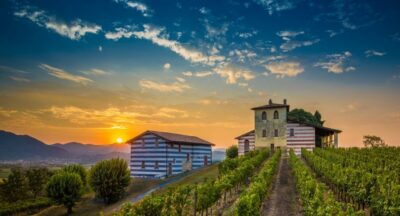
Franciacorta Winery and Bergamo Day Trip with Lunch
Read our review →
Lake Iseo & Franciacorta Winery. Scenic & Wine Tasting tour
Read our review →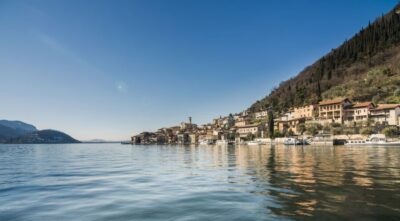
Bergamo and Franciacorta with lunch and cellar visit
Read our review →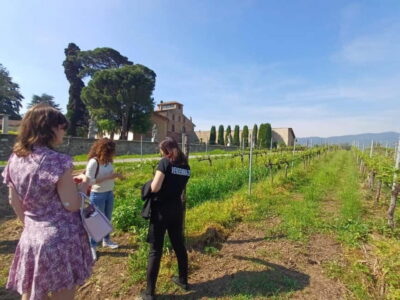
Brescia & Franciacorta with Wine Tasting Small Group
Read our review →
From Milan Full Day in Franciacorta 2 Wineries and Lunch
Read our review →Browse the lists this tour appears in